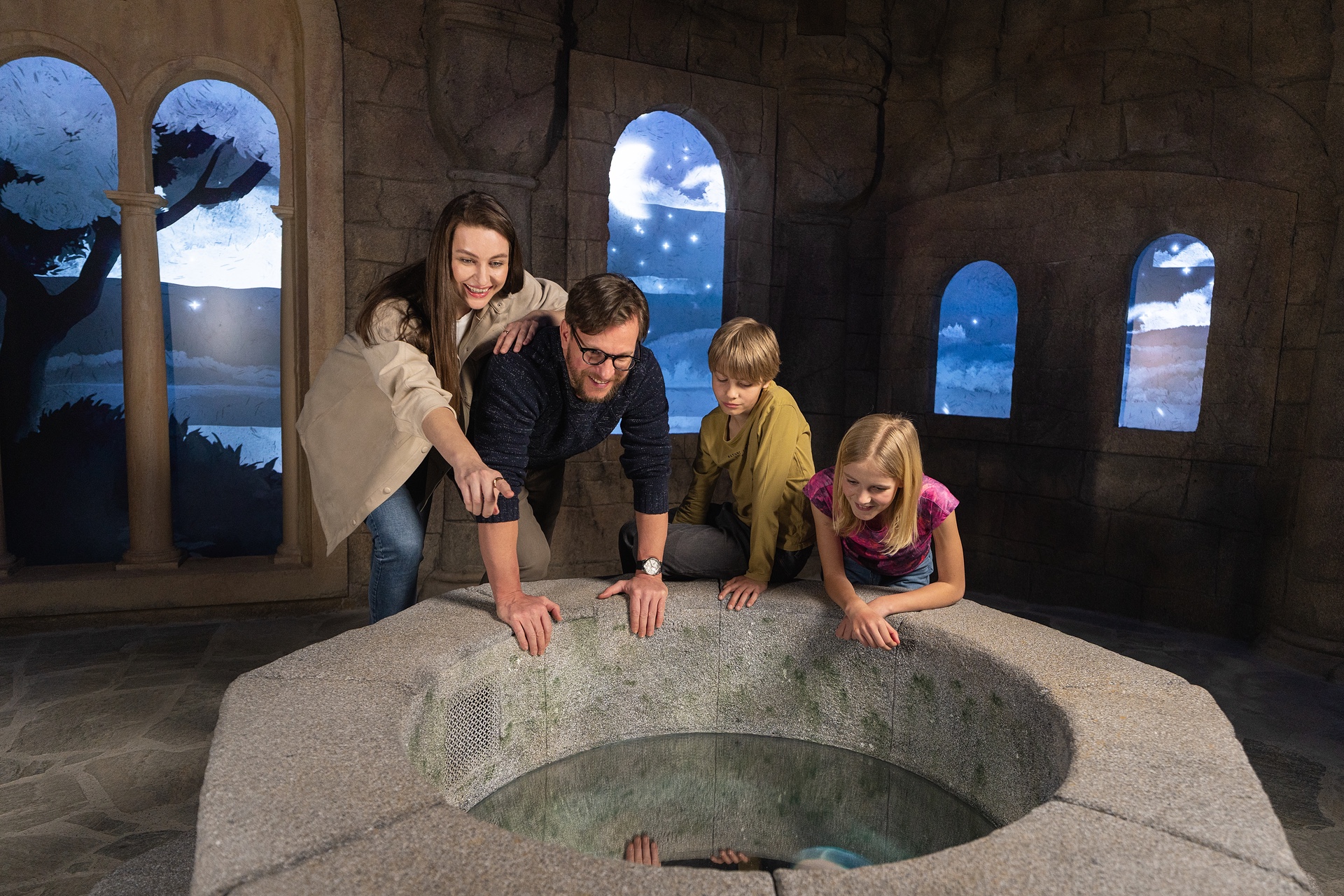
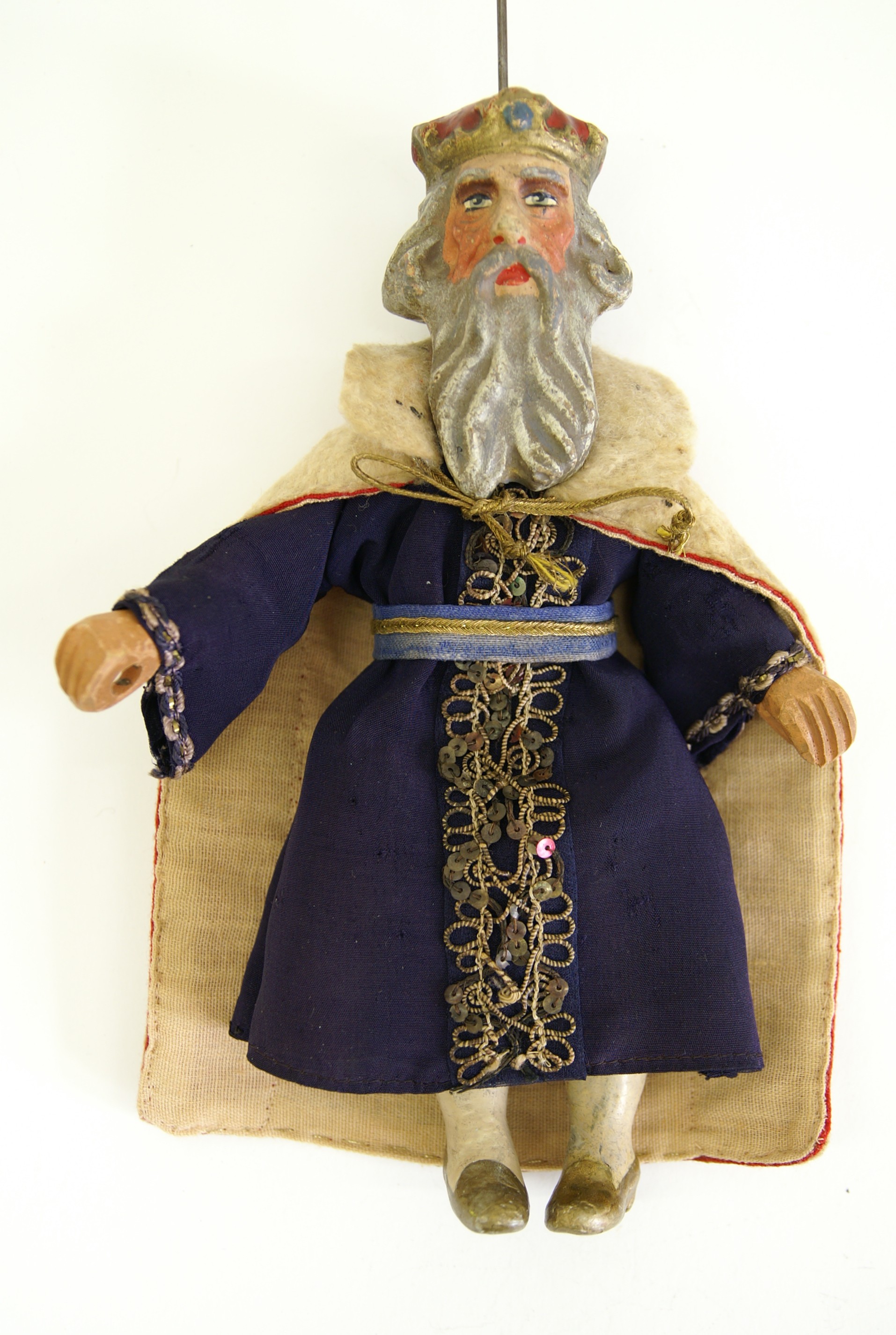
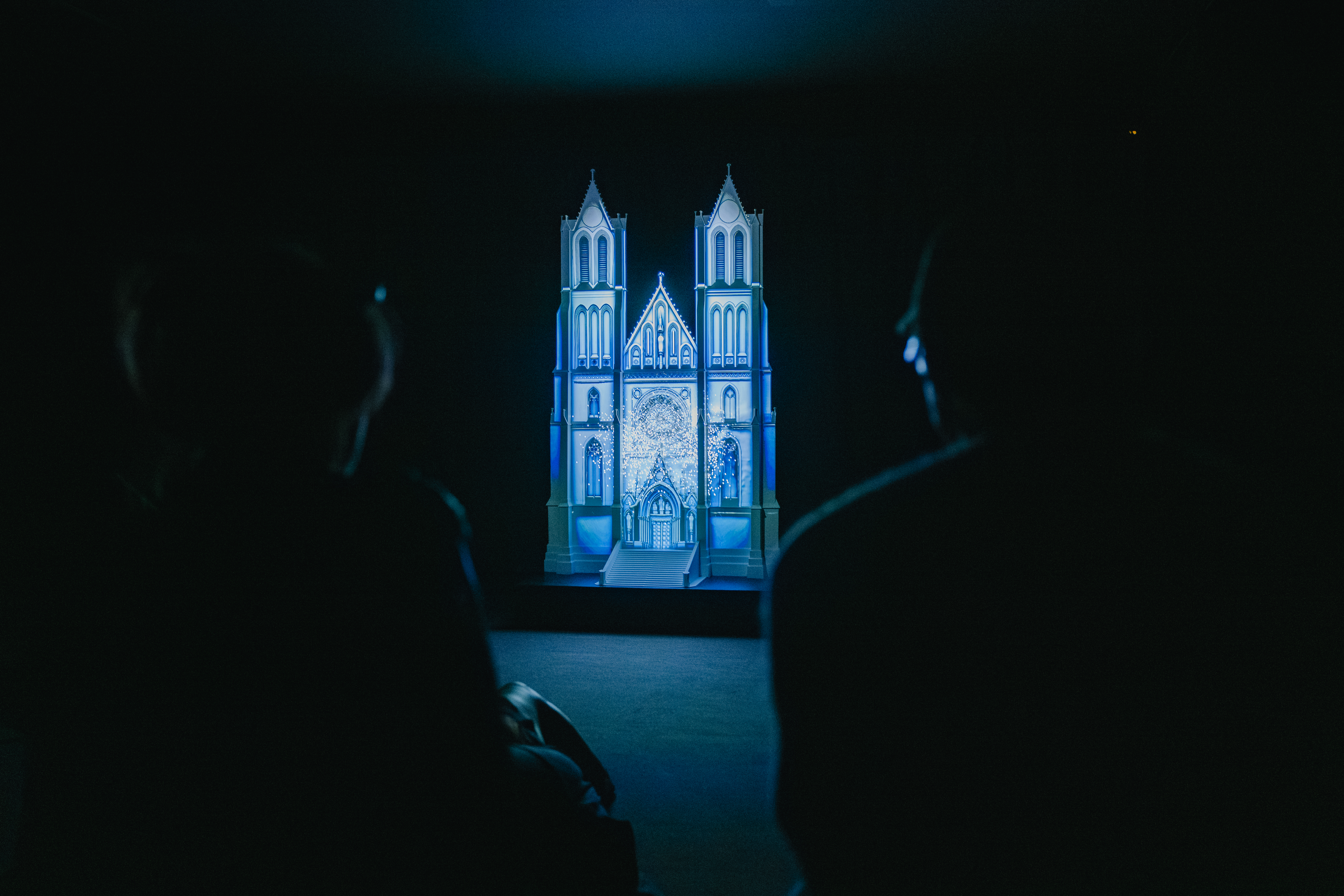
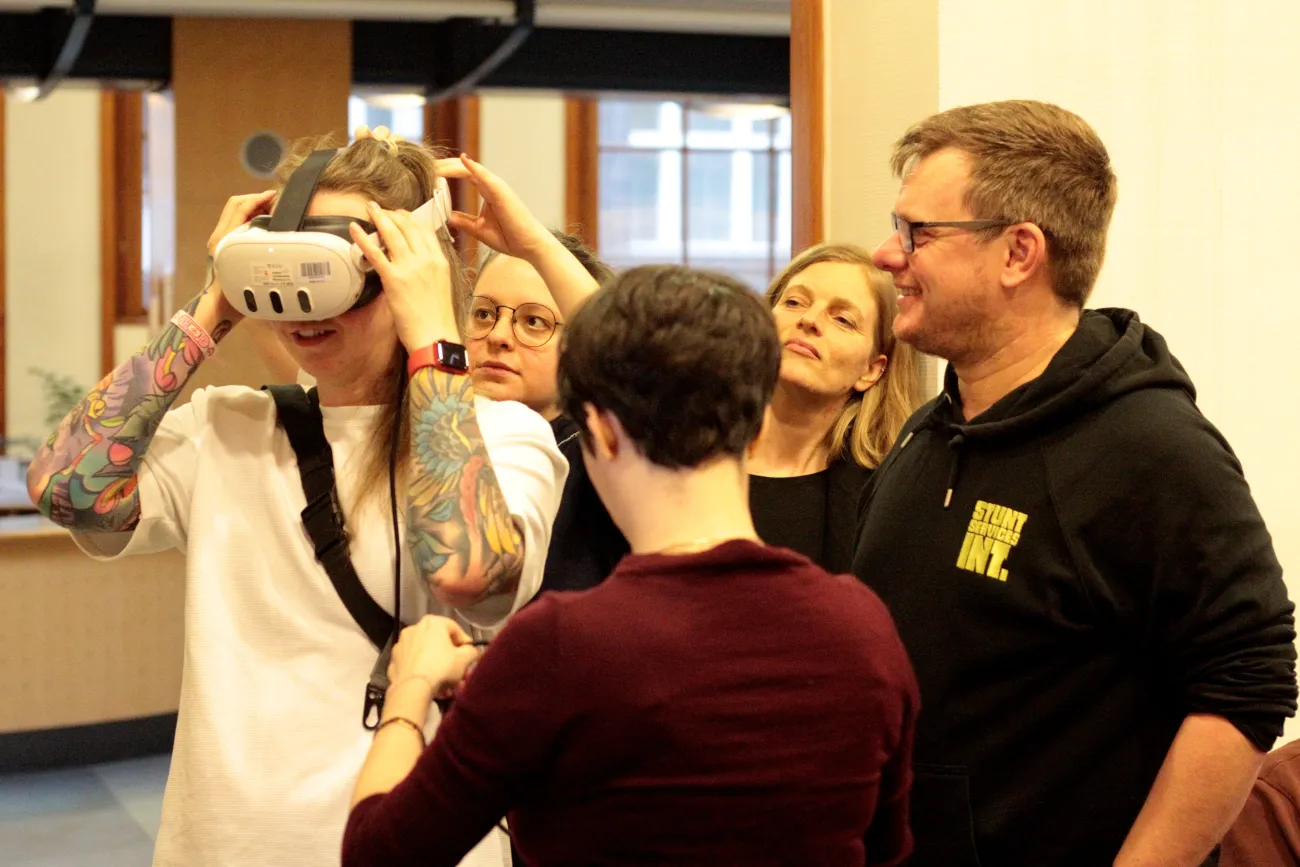
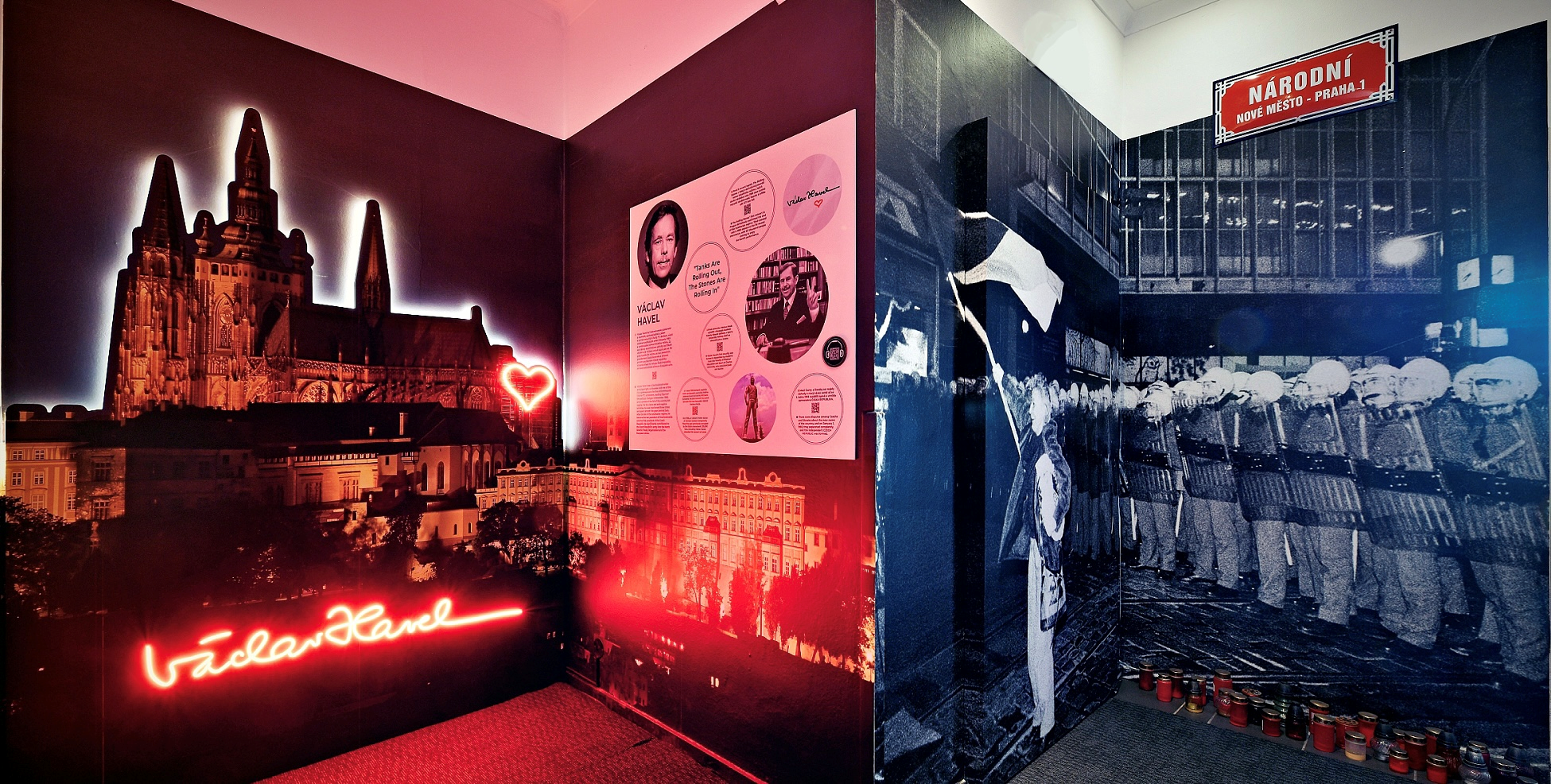
Back in Time Prague is a modern interactive exhibition that combines history with the latest technology, offering visitors a unique way to explore Prague’s history. Over the course of about 50 minutes, you’ll journey through 1,200 years of history—from its legendary beginnings to modern events—via eight themed scenes. You’ll experience a 5D cinema with special effects, realistic holograms of historical figures, an animatronic Golem, and an impressive audiovisual show. Back in Time isn’t a traditional museum, but an immersive experience that draws you into the story and presents history in a way you’ve never experienced before. Back in Time is open to children ages 6 and up.
The exhibition “Prague in Detail: The Anatomy of Prague Architecture” draws you into the hidden layers of the city—from delicate ornamentation to unexpected connections. In his works, Tomáš Rygl reveals the fascinating structure of Prague’s architecture and invites you to take a closer look at the details we usually overlook.
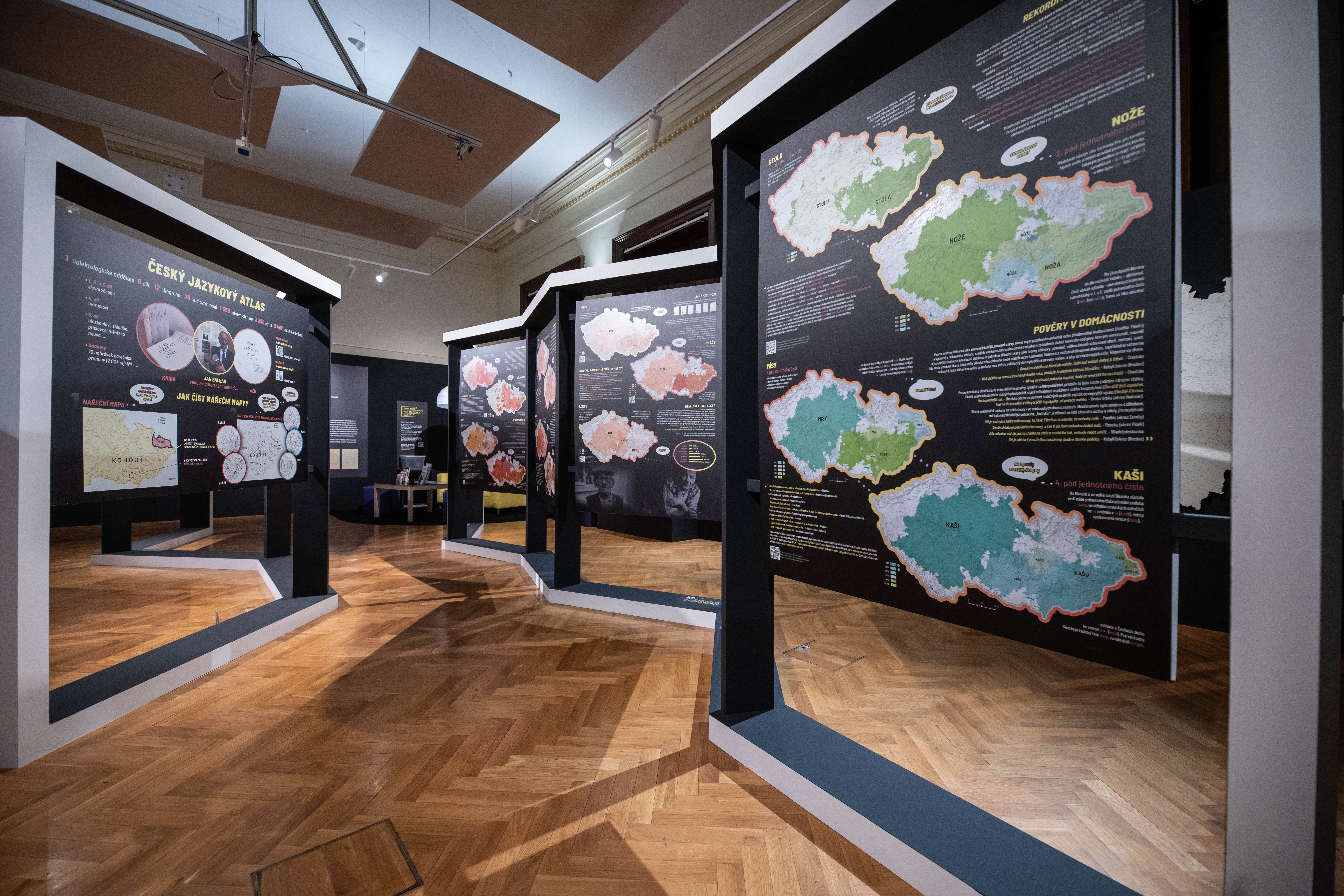
Do you understand the speech of your grandparents, friends, or acquaintances from other parts of the country when they speak in dialect? And do they understand you? – ask the curators of the exhibition “Critically Endangered Phenomena of Our Dialects.” The exhibition offers visitors dialect maps, authentic audio recordings from various periods, and interactive elements that show how language has changed over the decades.
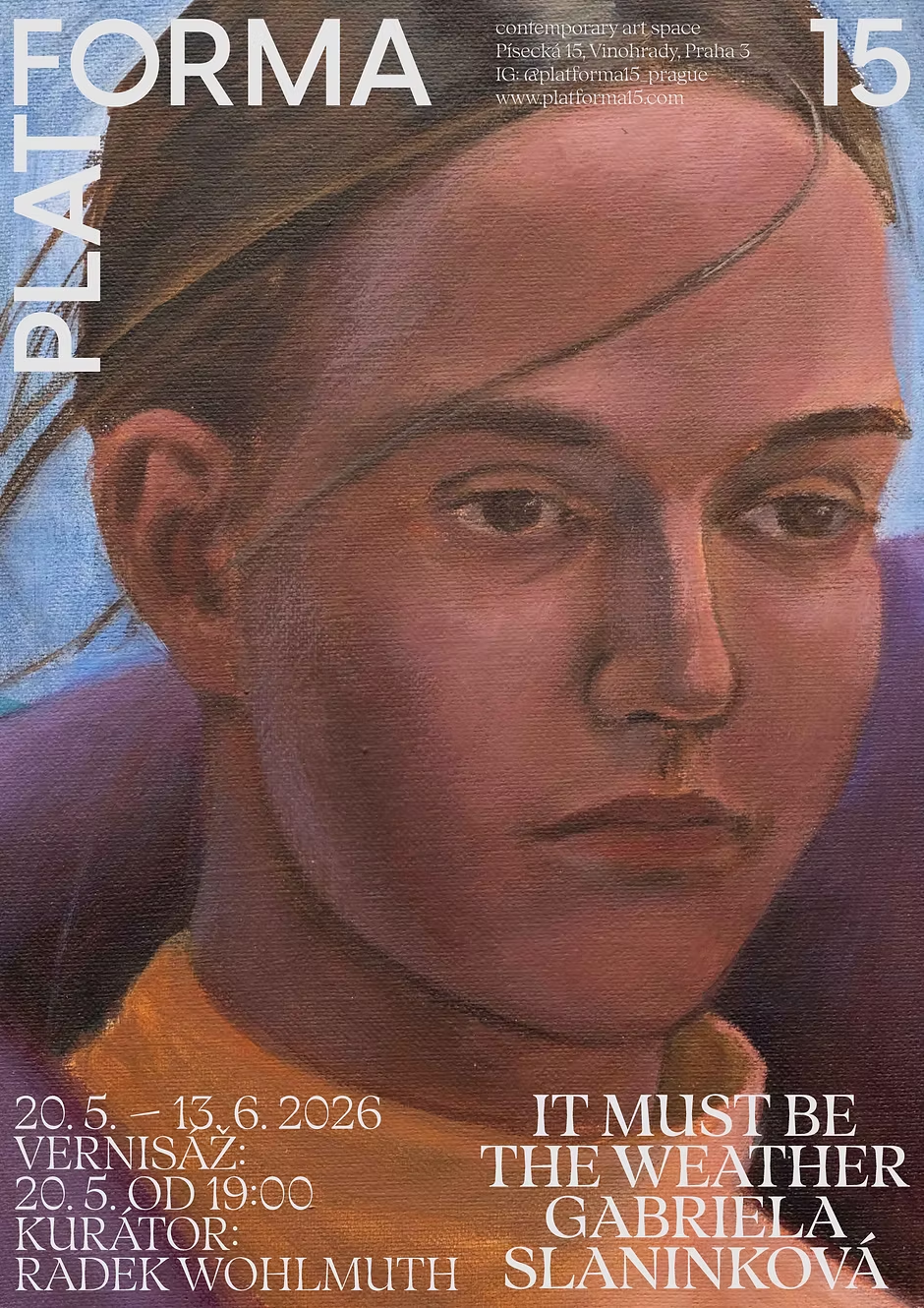
A guided tour of the exhibition “It must be the weather” will take place at 6 p.m. with artist Gabriela Slaninková in attendance. In her paintings, the artist reflects on the transience of moods and mental states, which come and go as imperceptibly as changes in the weather. The exhibition is curated by Radek Wohlmuth.
The exhibition presents a collection of the artist’s works, which are being shown in the Czech Republic for the first time. Through a range of multimedia expressions—from painting to watercolor, objects, installations, videos, and assemblages—Pešta, with his characteristic urgency, asks, among other things, WHO actually runs this world. We do not study history so that we are doomed to repeat it, but because we may be able to learn from it how to free ourselves from the ever-repeating stereotype.
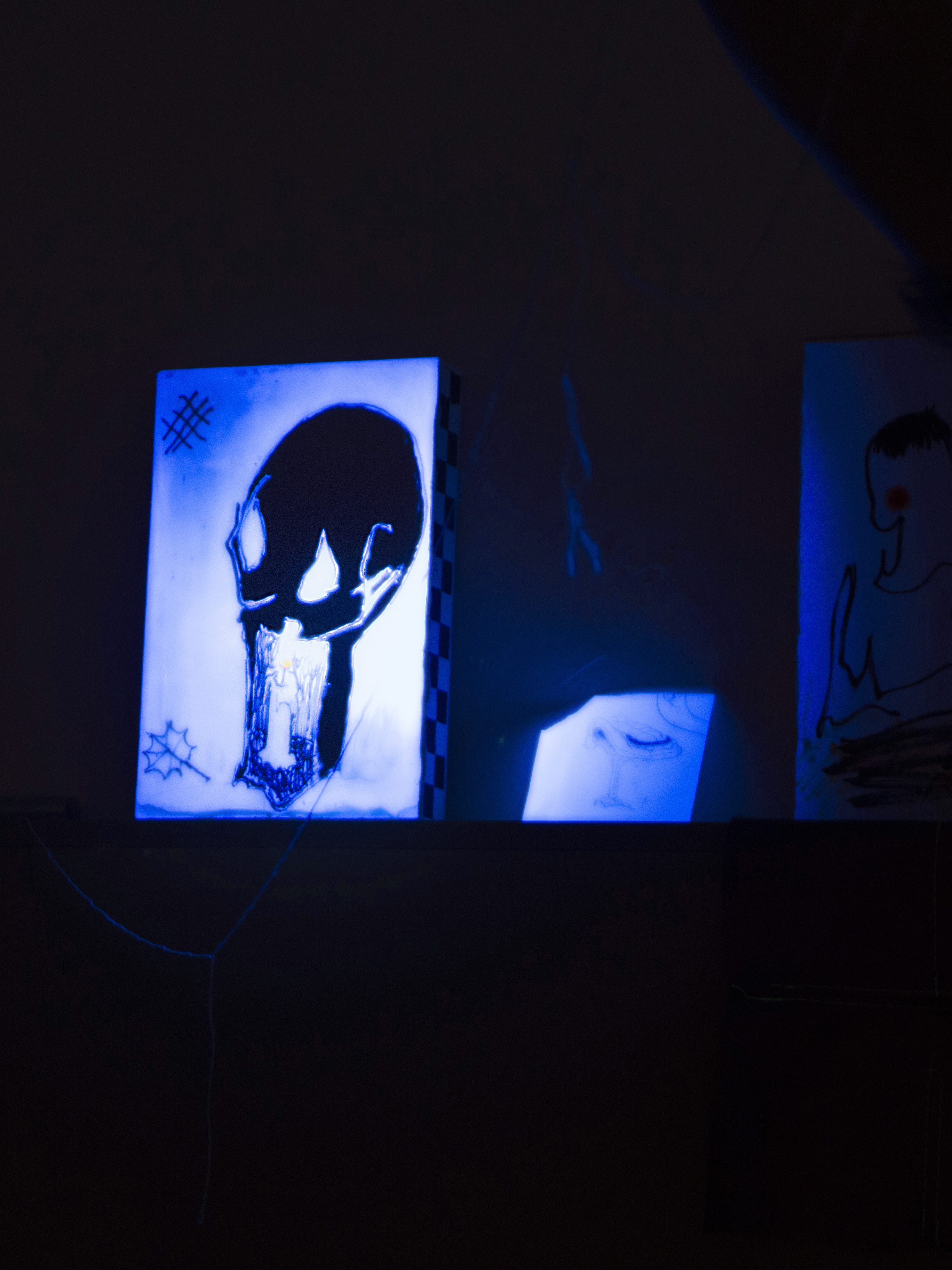
In a landscape of shifting freedoms, the fictional agency OKKULTEK emerges from the shadows and opens its doors to new recruits. The exhibition presents a para-ritual environment where obsessions from the past meet expectations of future invocations.
The labyrinth serves as a metaphor for human thought and life’s journey. It symbolizes wandering, courage, and transformation, but also responsibility for our actions and words. Step inside and reflect: what happens when fear—of the unknown, of differences, of misunderstanding—begins to dictate our decisions instead of reason?
Between 2013 and 2025, the Prague City Gallery acquired 2,366 works of art. In the previous comparable period, the number was just 375. This expansion of the collection makes it possible not only to follow the work of established artists but also to capture developments in the emerging art scene.
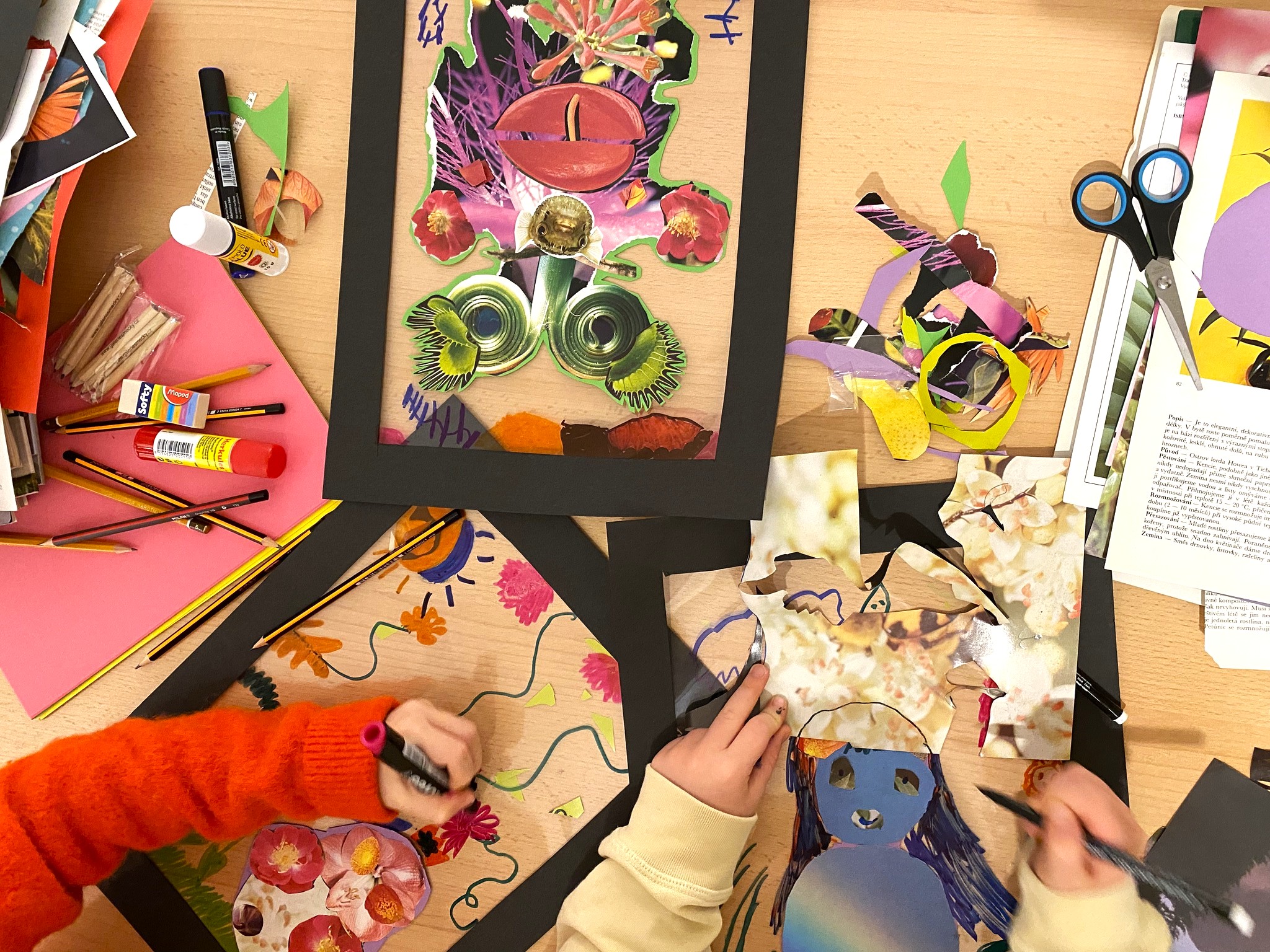
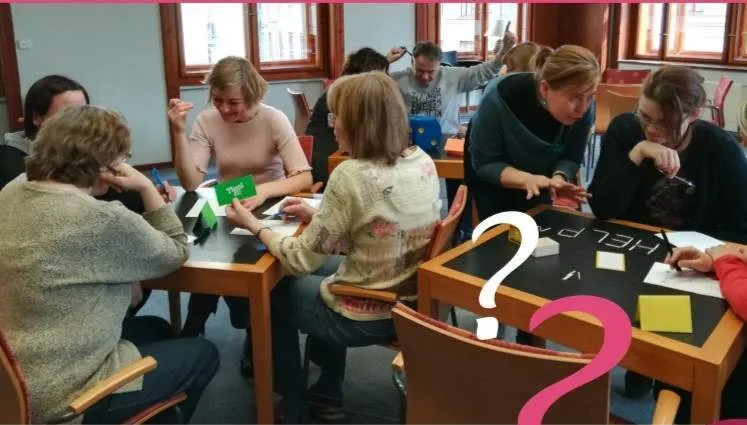
As part of the 19th Prague Museum Night, the Smečka Gallery will host the “Experience Collage” workshop, where visitors can step into the world of collage:
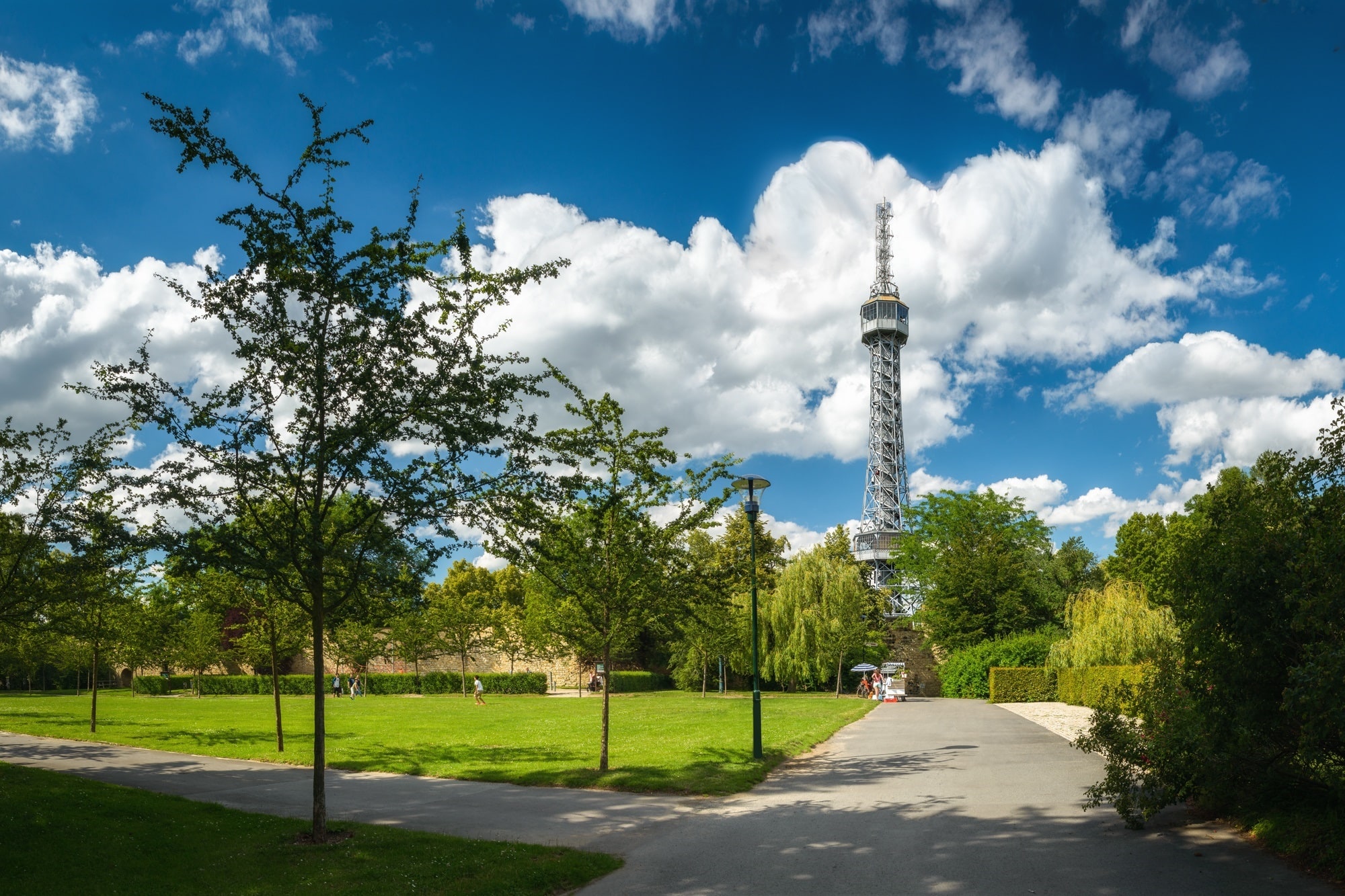
The Petřín Lookout Tower offers stunning views even at night and is one of the highest points (perhaps the highest) of Museum Night. This year also marks the 135th anniversary of the Petřín Lookout Tower and the Mirror Maze, two landmarks that are an integral part of Prague. Head up to Petřín Hill even during the cable car closure with a lovely walk directly from Újezd or Strahov.
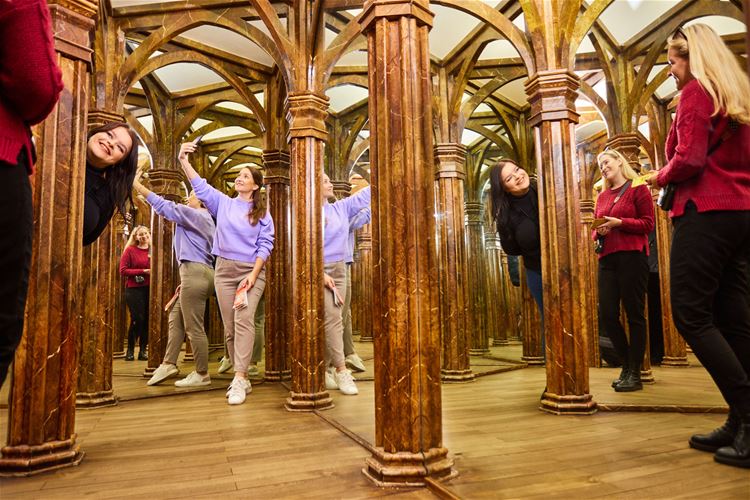
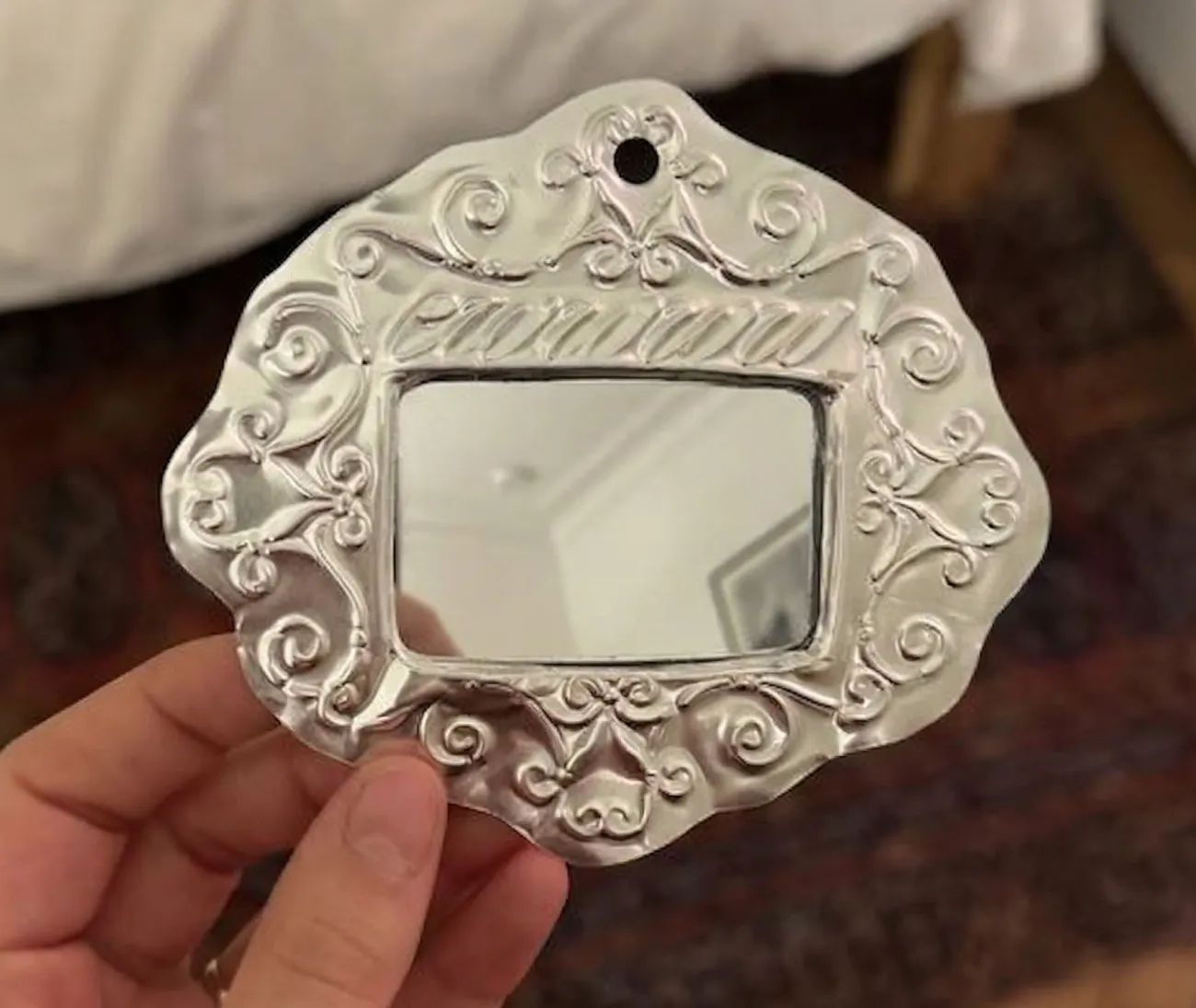
One of the most popular spots for both children and adults. From the outside, the building near the observation tower looks like a small castle, but inside it’s not a labyrinth of secret stone corridors—it’s a maze of mirrors. First, you’ll wander through a three-dimensional depiction of the battle between the people of Prague and the Swedes on Charles Bridge in 1648, and then, in the Hall of Laughter, your reflection in the convex and distorted mirrors will transform you into dwarves, hunchbacks, or tall, lanky figures.
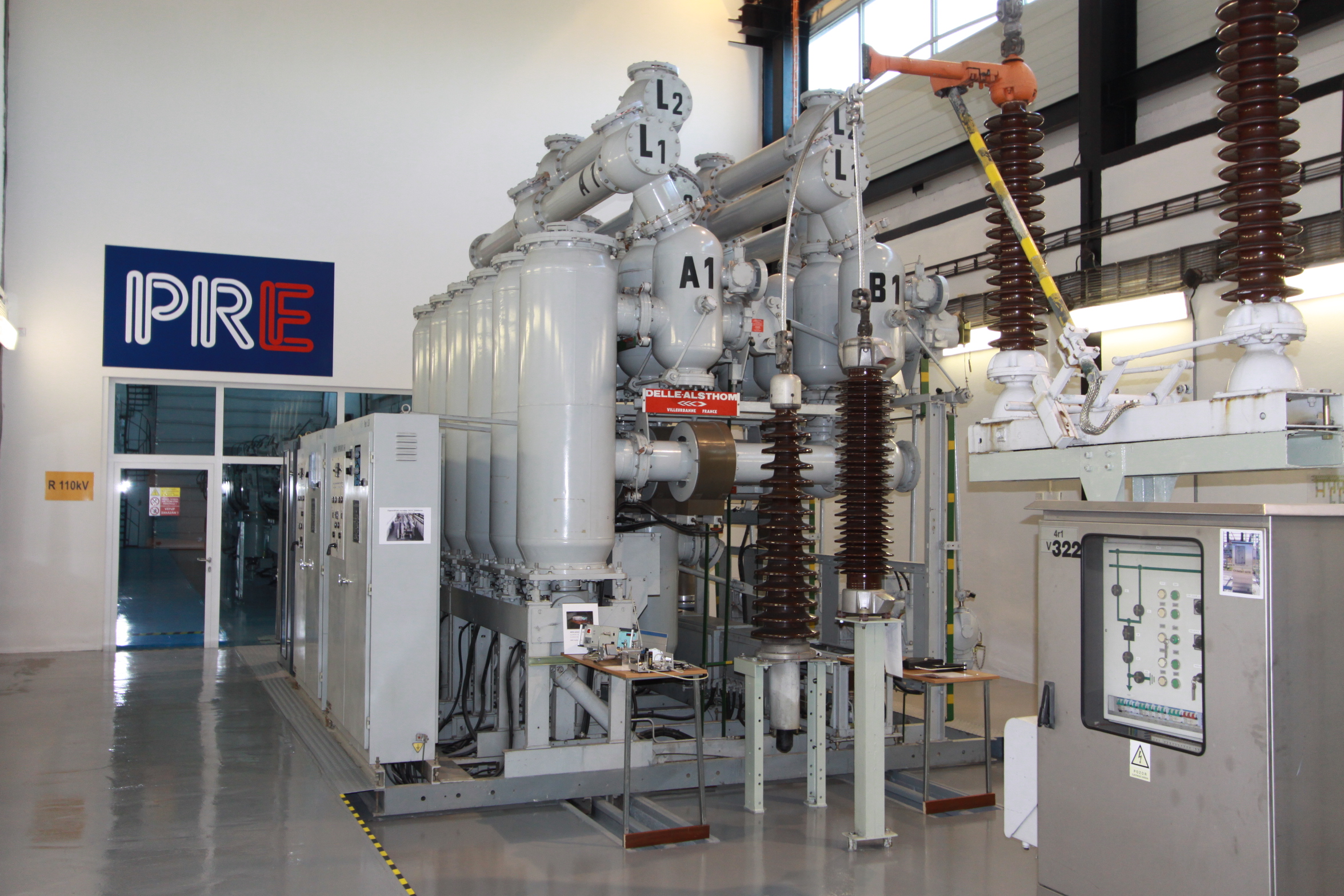
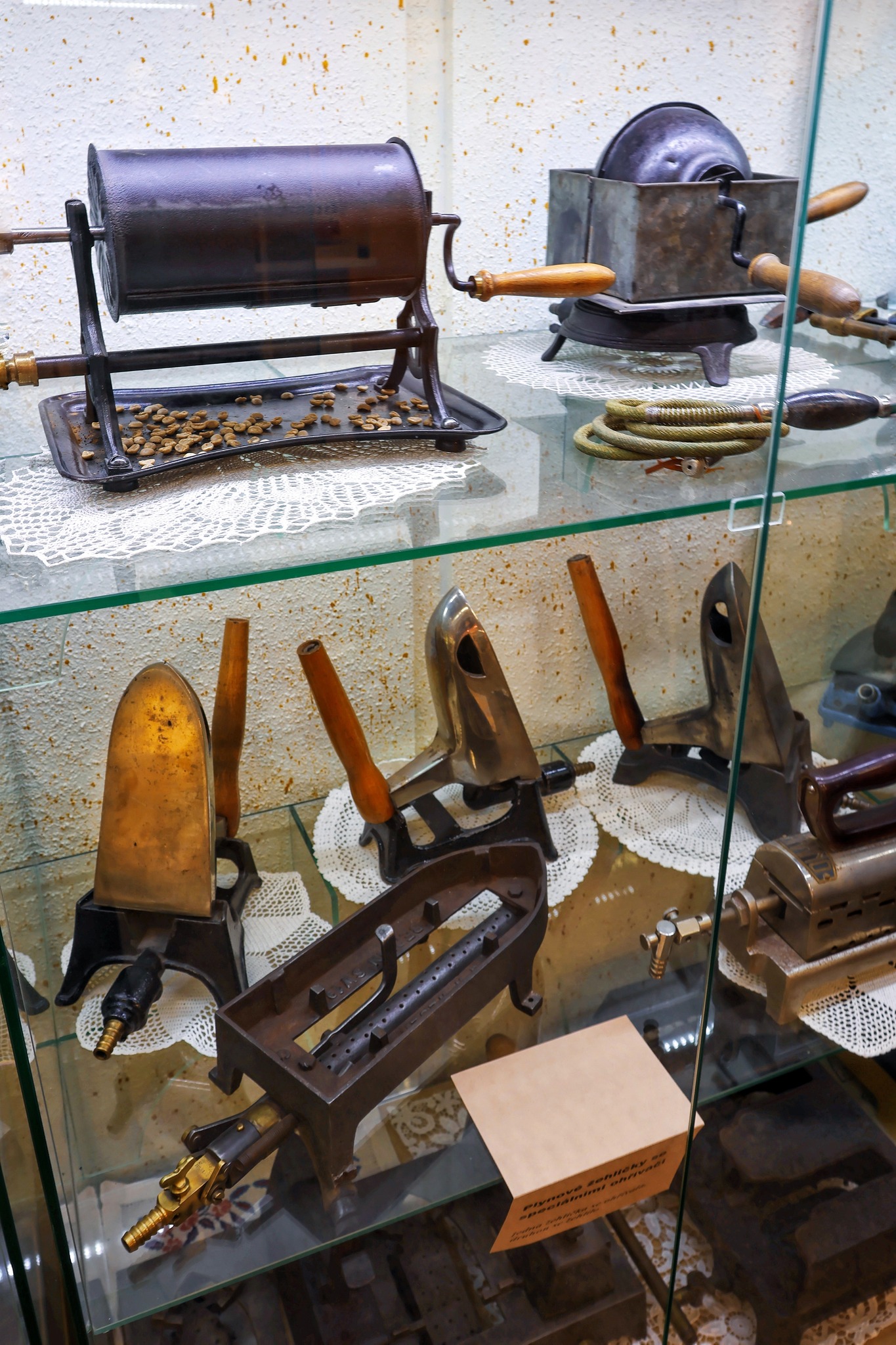
The Technical and Documentation Museum of Prague’s Energy Sector traces the rich history of electricity generation, transmission, and distribution from the early 20th century to the present day.
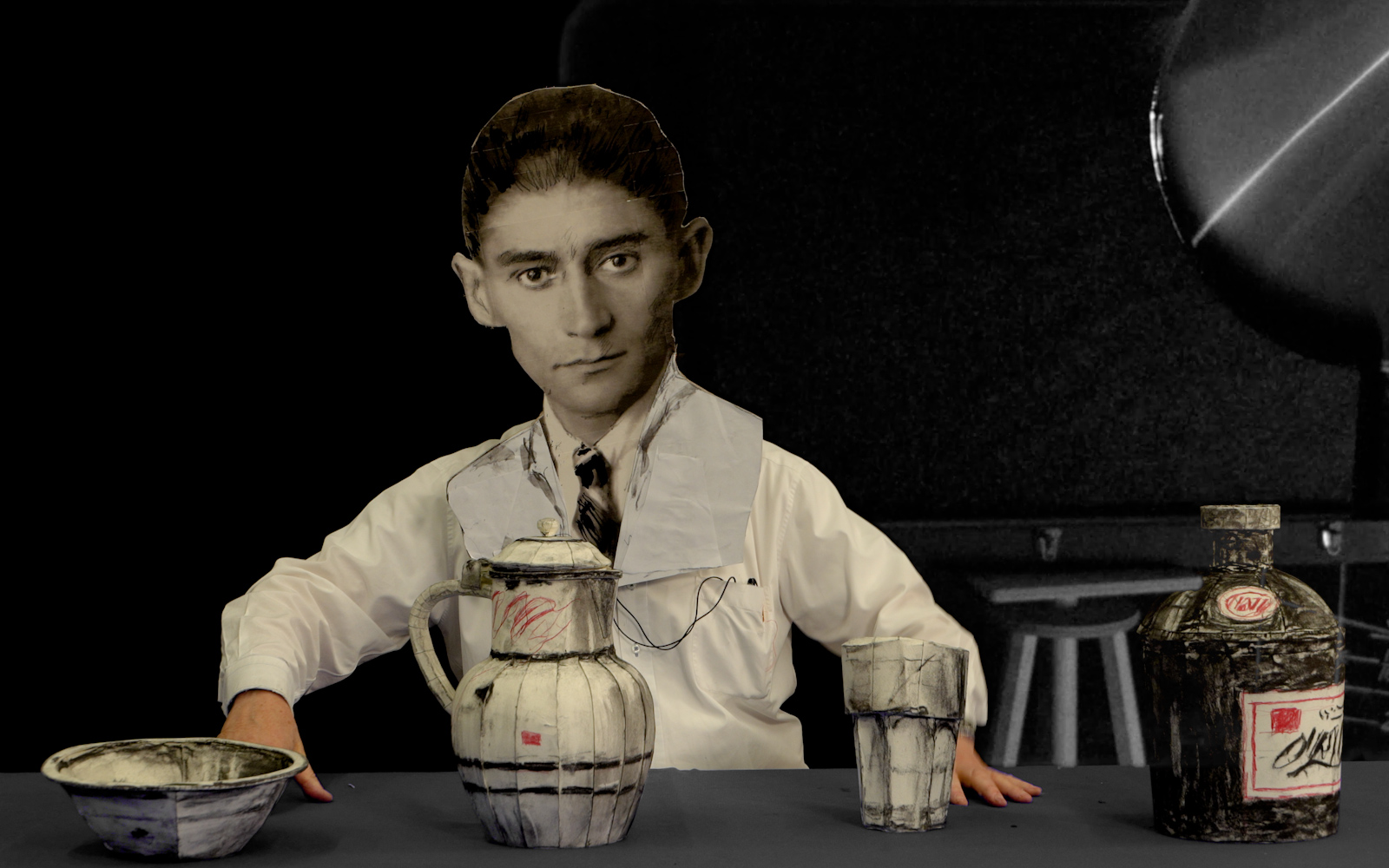
The exhibition *The Battle Between YES and NO* is the first major exhibition in the Czech Republic dedicated to William Kentridge, one of the most significant contemporary artists. Kentridge grew up in Johannesburg during the apartheid era, in a family deeply committed to the ideals of social justice. Even as a student, he became involved in anti-apartheid activist movements. These experiences shaped his artistic practice, which reflects the social and historical tensions of South Africa while also addressing universal themes of human existence.
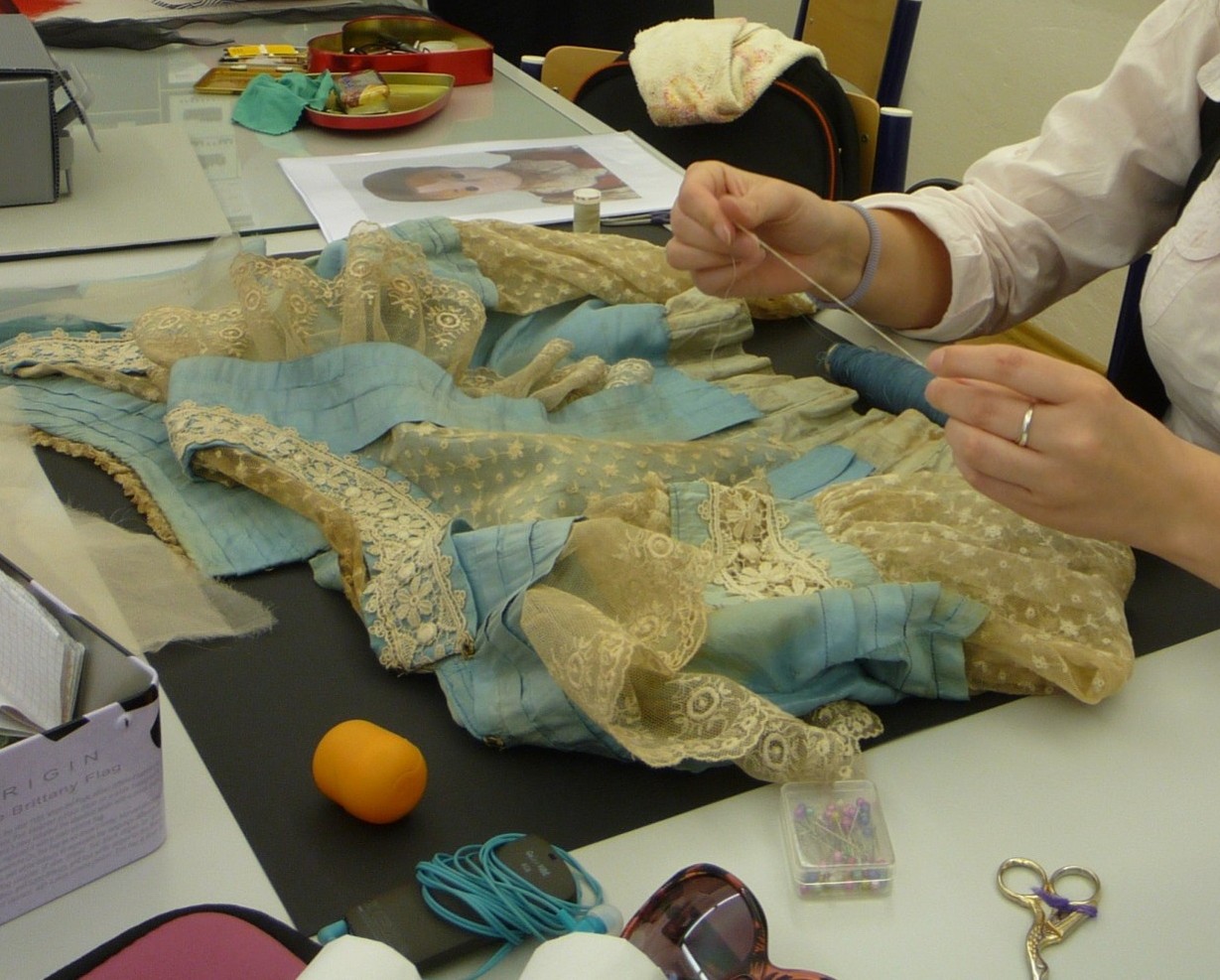
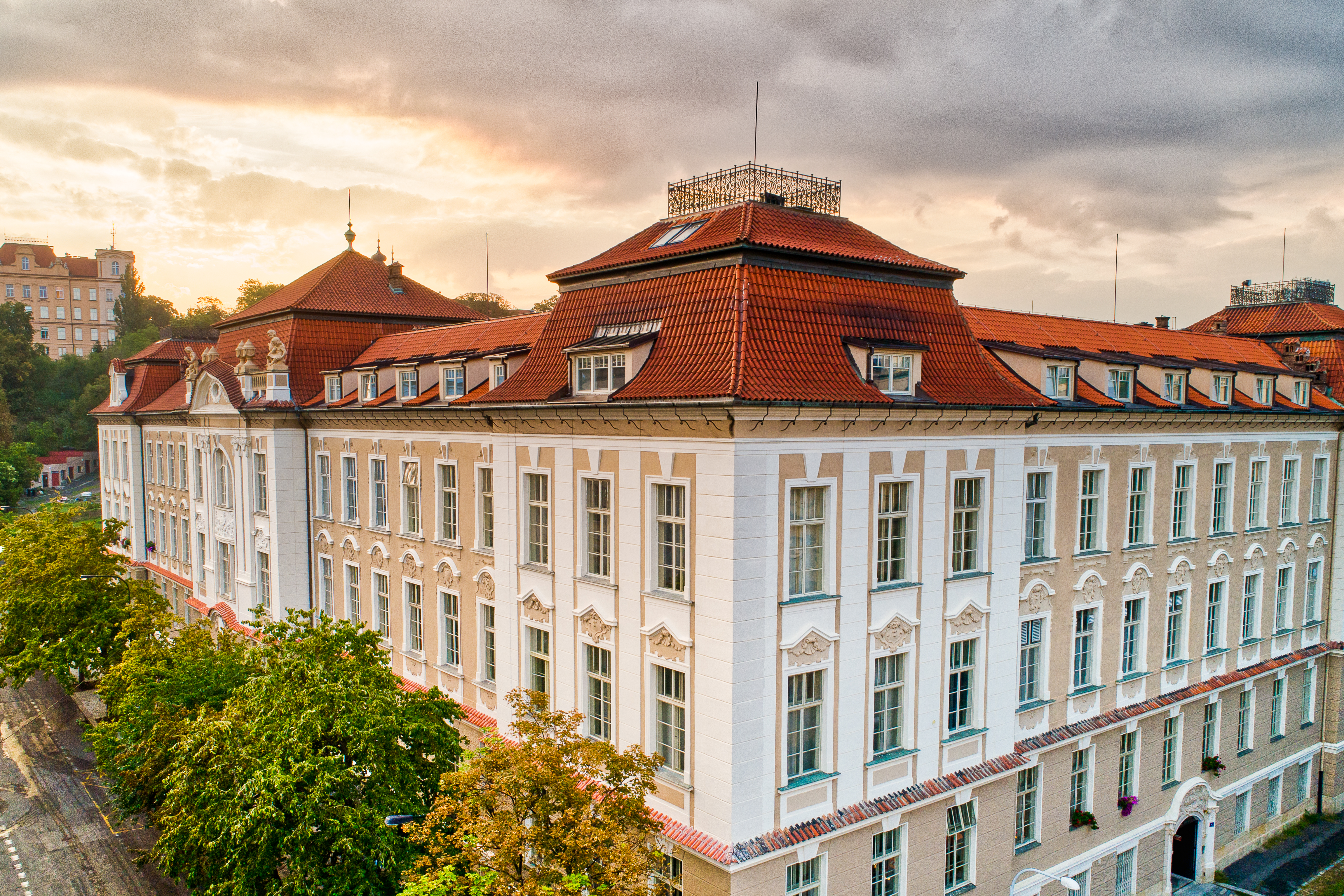
College of Textile Crafts and Secondary School of Textile Arts
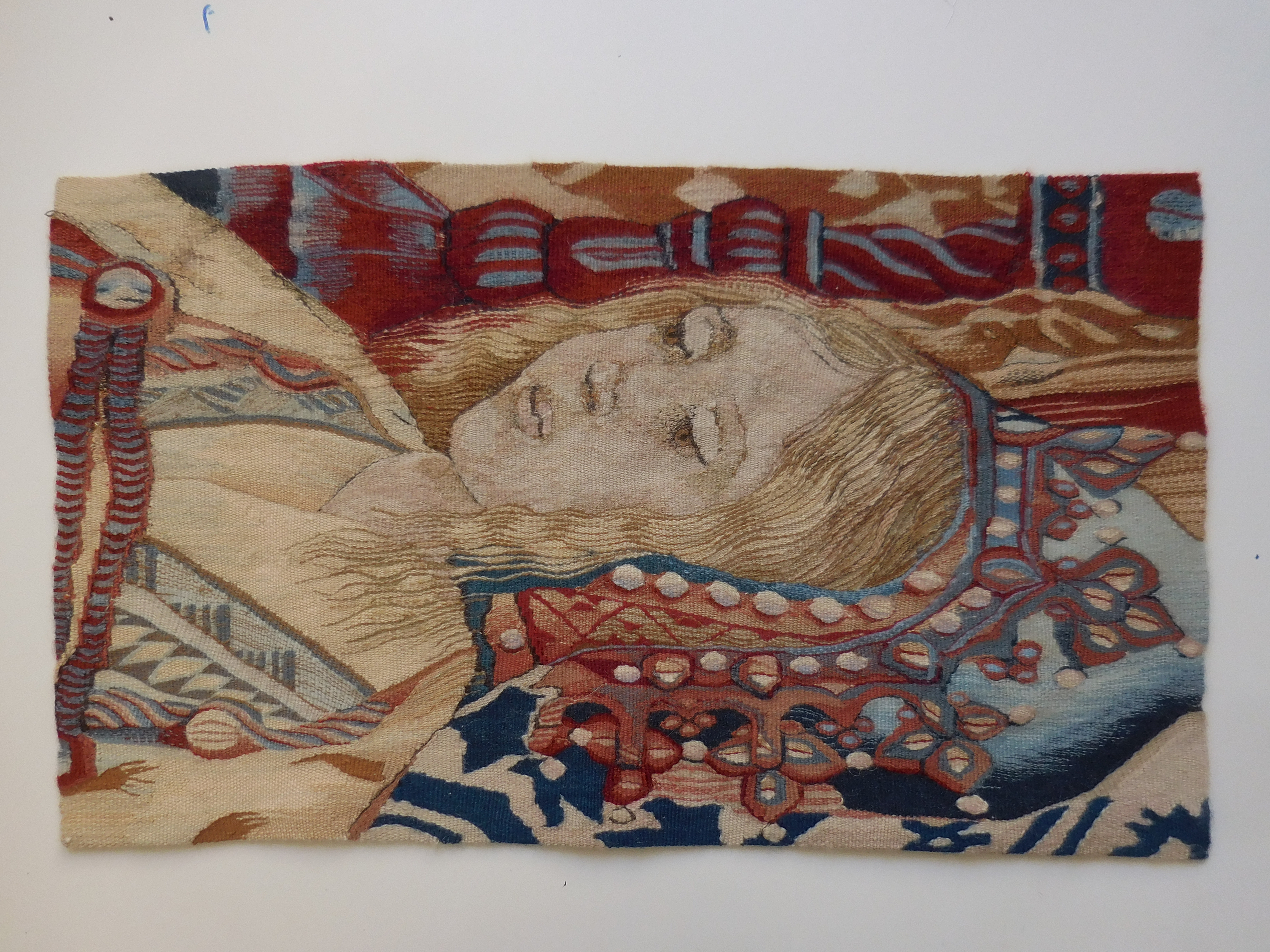
The exhibition traces the course of study and the gradual mastery of conservation techniques, working with materials, and approaches to historical textiles—from the first year through to the graduation projects.
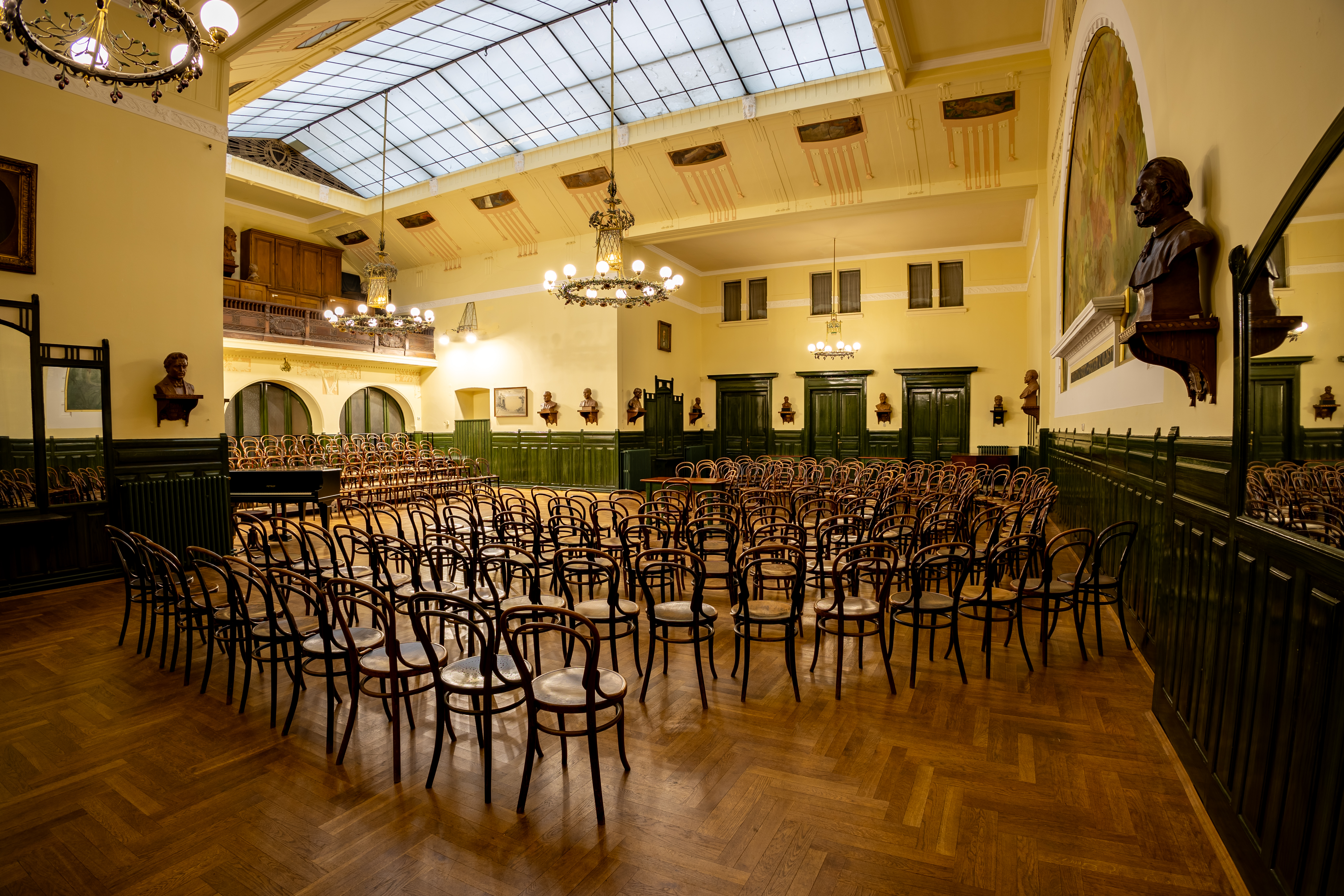
Starting at 7:30 p.m., you are invited to attend the public dress rehearsal of the Hlahol Singing Society, featuring the Projektchor der Löhe-Schule Nürnberg choir, the Art’n orchestra, and soloists, under the direction of artistic director Roman Z. Novák. The program will include works by A. Vivaldi and J. S. Bach.
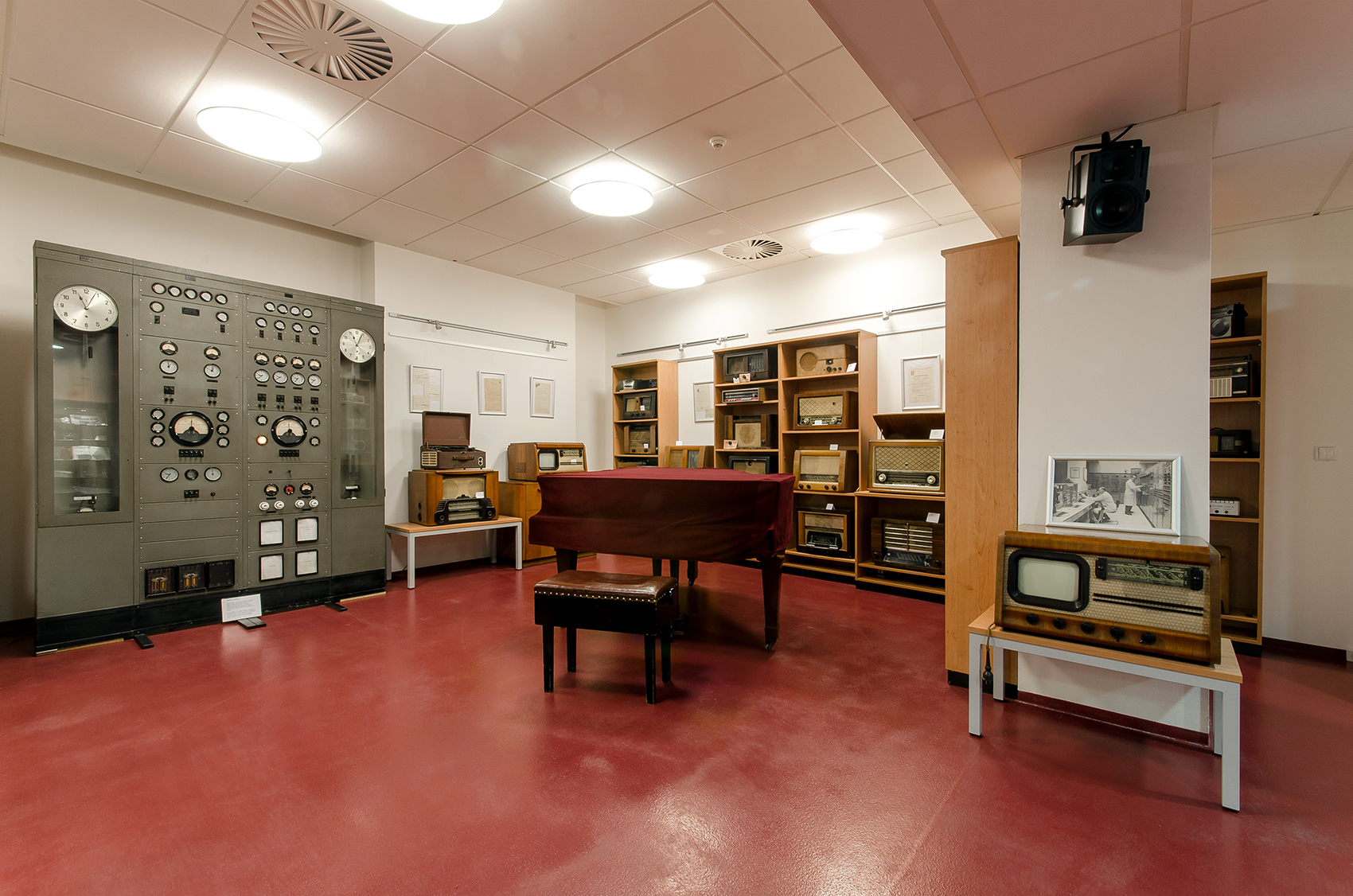
In the gallery, visitors will learn about the history and present state of radio broadcasting and view a wide variety of equipment—radio receivers, tape recorders, various recording devices, and a number of artifacts from our history. Original recordings from 1945 and 1968 will be played on historic radio receivers.
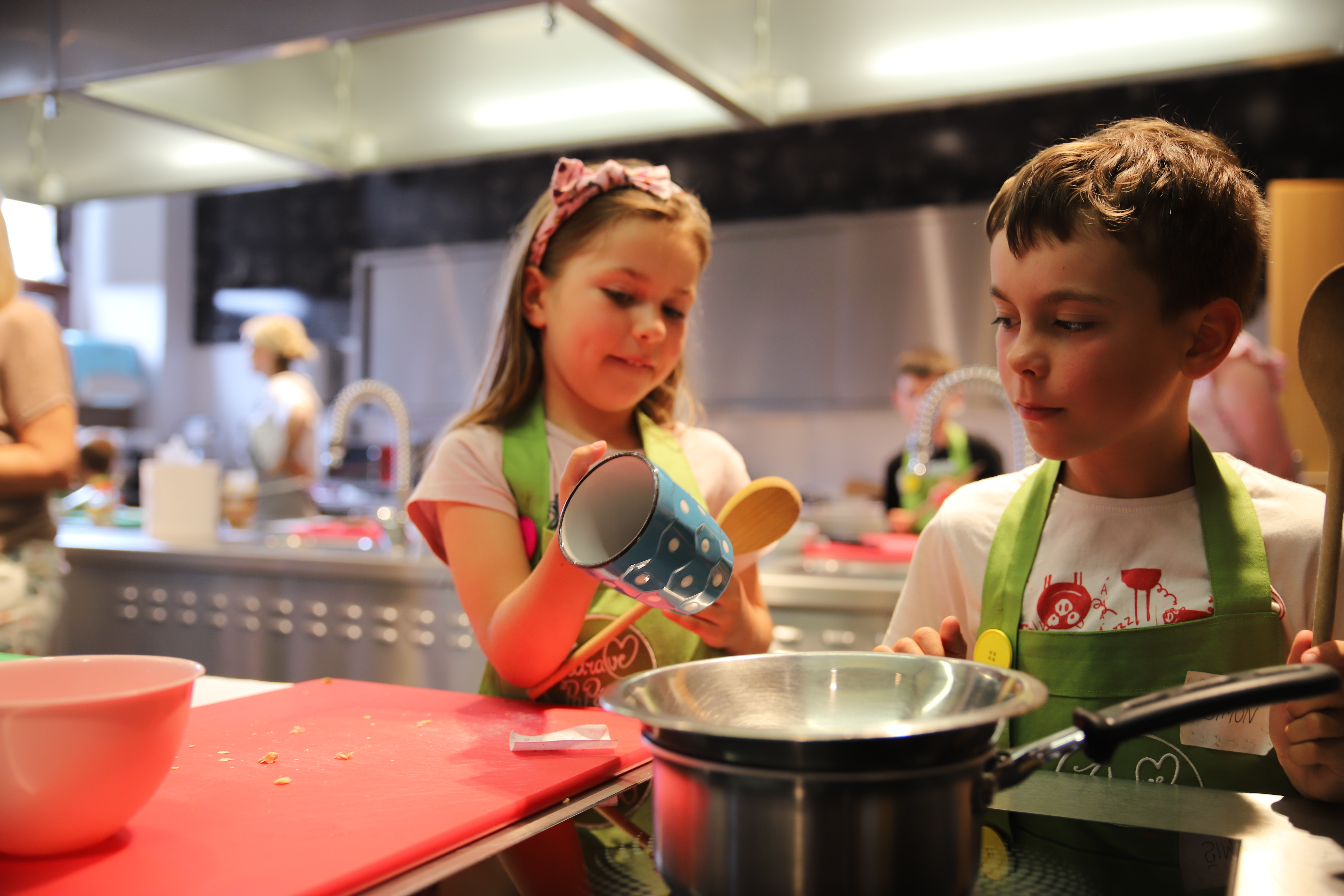
Kids will love the “Oatmeal à la Míša Cake” cooking workshop, where they’ll make their own oatmeal with cottage cheese, chocolate, and raspberries. The workshop will be held at several different times and is open to children ages 5 and up.
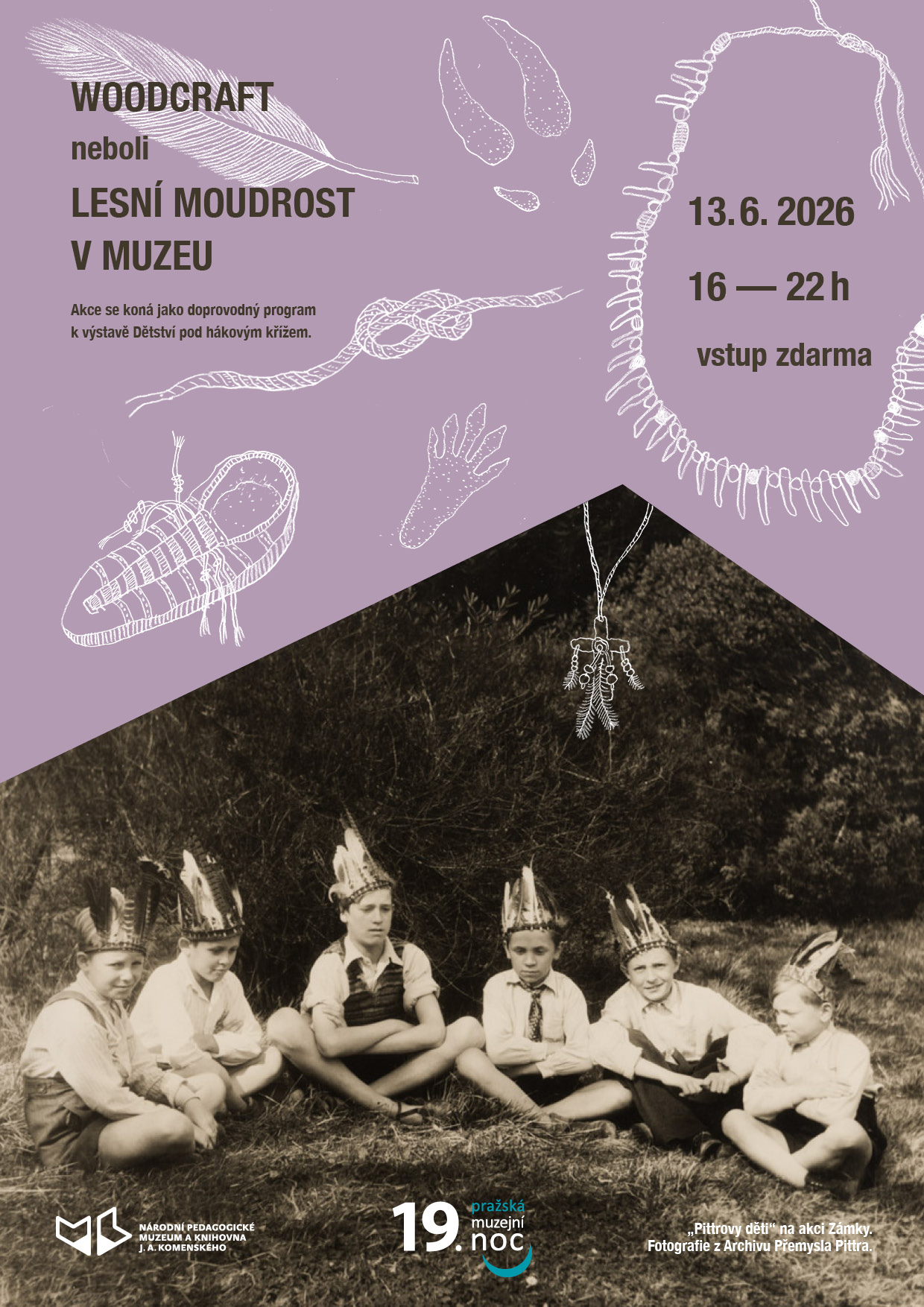
The National Pedagogical Museum and Library of J. A. Comenius
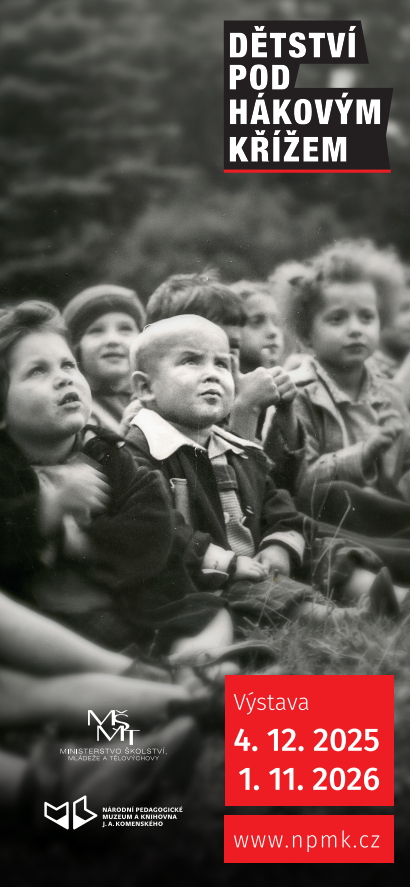
The exhibition focuses on the fates of children and adolescents during one of the most tragic periods in Czech history—the era of the Protectorate of Bohemia and Moravia. The broader timeframe of 1939–1947 allows the exhibition to cover not only the period of Nazi occupation but also the years immediately following the end of the war.
Kurzor Gallery and Jelení Gallery – Center for Contemporary Art, Prague
At the Jelení Gallery, you can see the exhibition *Before the Earth Sinks In*, created through a collaboration between Apolena Typltová and Radka Čejdíková, students in the Photography II studio at Prague’s UMPRUM. While Apolena Typltová focuses on the dilapidated environments of workshops, Radka Čejdíková finds inspiration in nature’s struggle with the decaying wrecks of cars in junkyards. The exhibition is curated by Alena Kotzmannová.
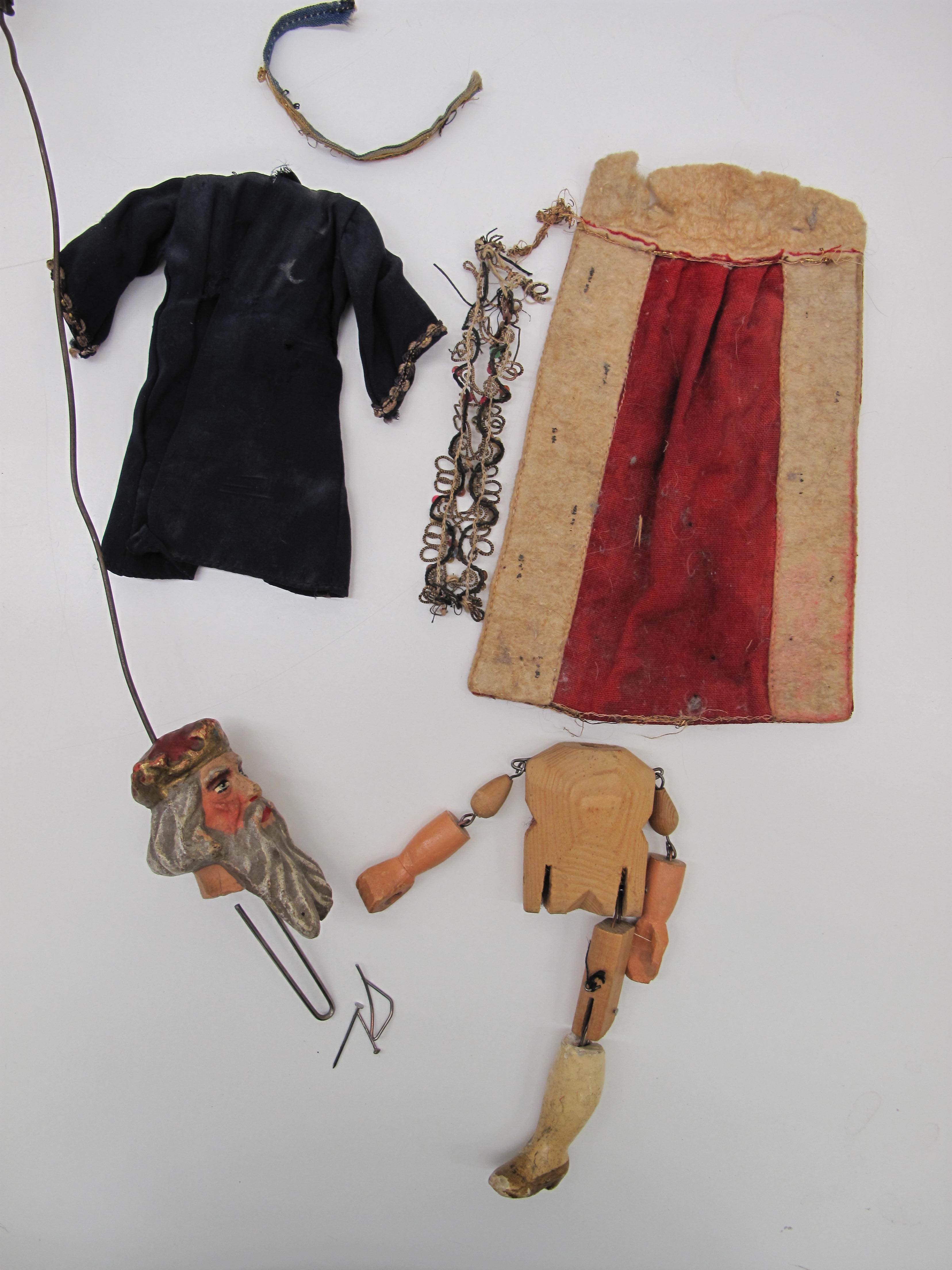
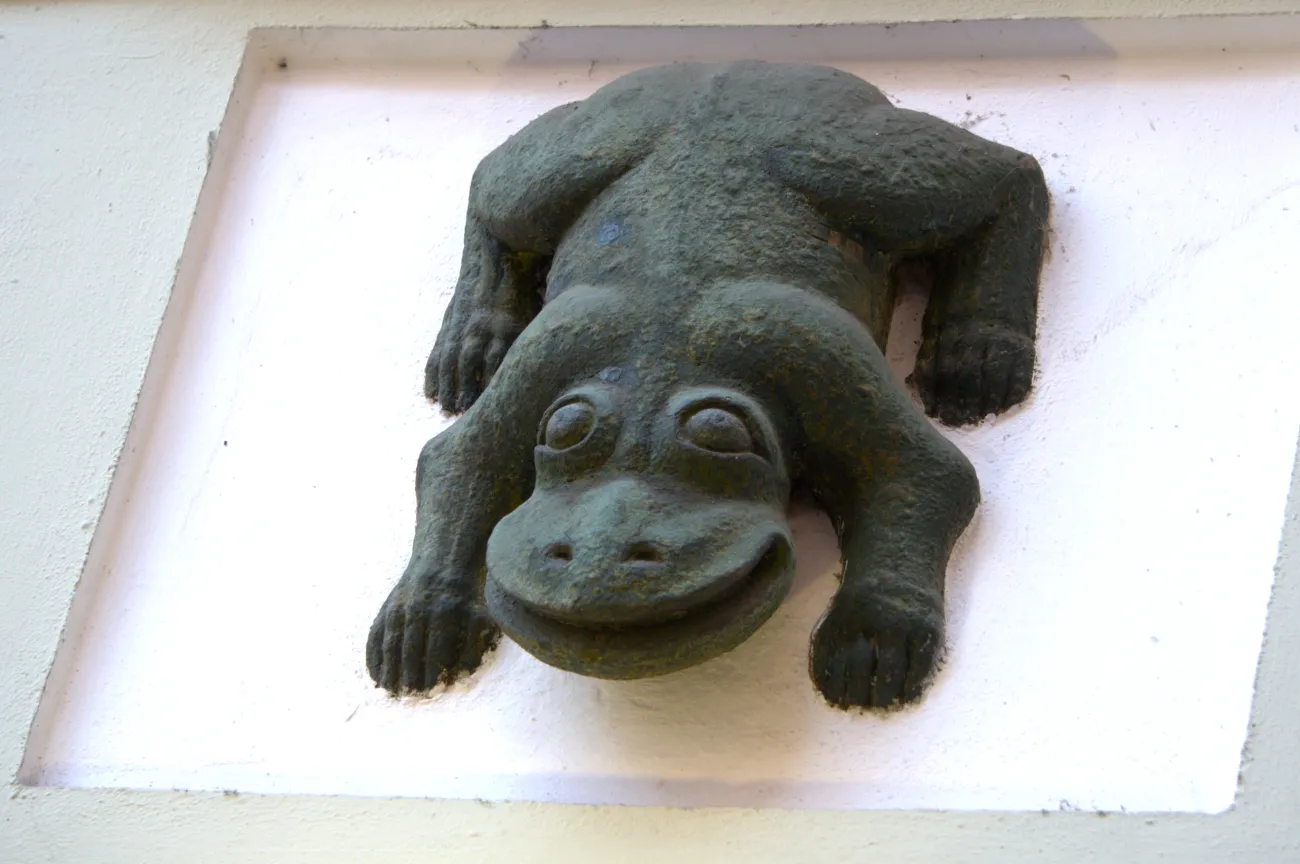
This guided walking tour will take you to places associated with Prague legends. In these ancient tales, characters such as the Iron Man and the tailor from the House of the Green Frog will come to life. Together, we’ll also take a look at one of the narrowest houses in Prague and stop by Týn Church.
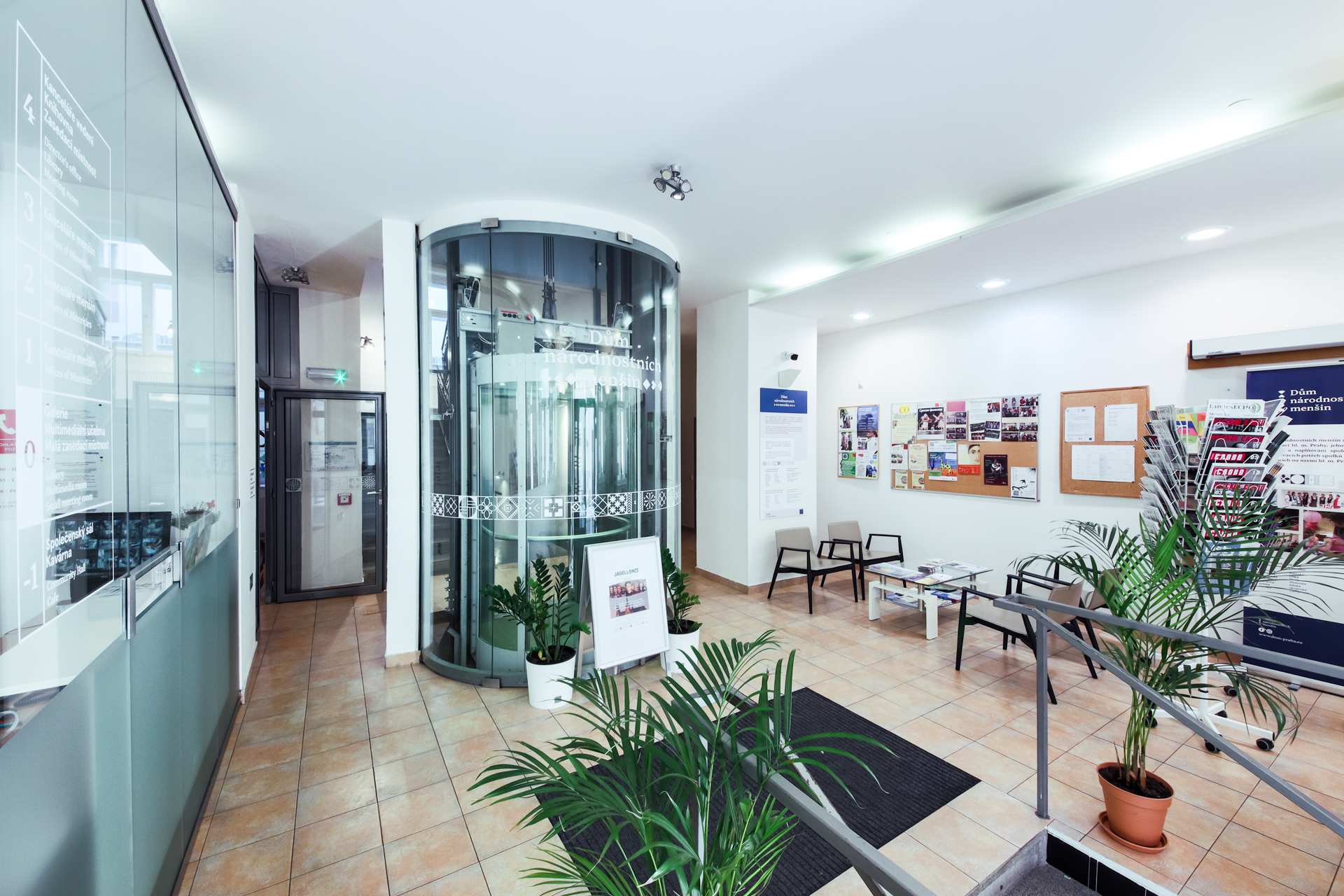
Visitors to the House of National Minorities can look forward to an abridged Czech-Slovak theatrical version of *Mysteria Buffa*, an introduction to the history of the tie—a gift to the world from the Croatians—and a workshop on *vyšívanky*, the technique used to decorate Ukrainian folk costumes, specifically embroidered shirts.
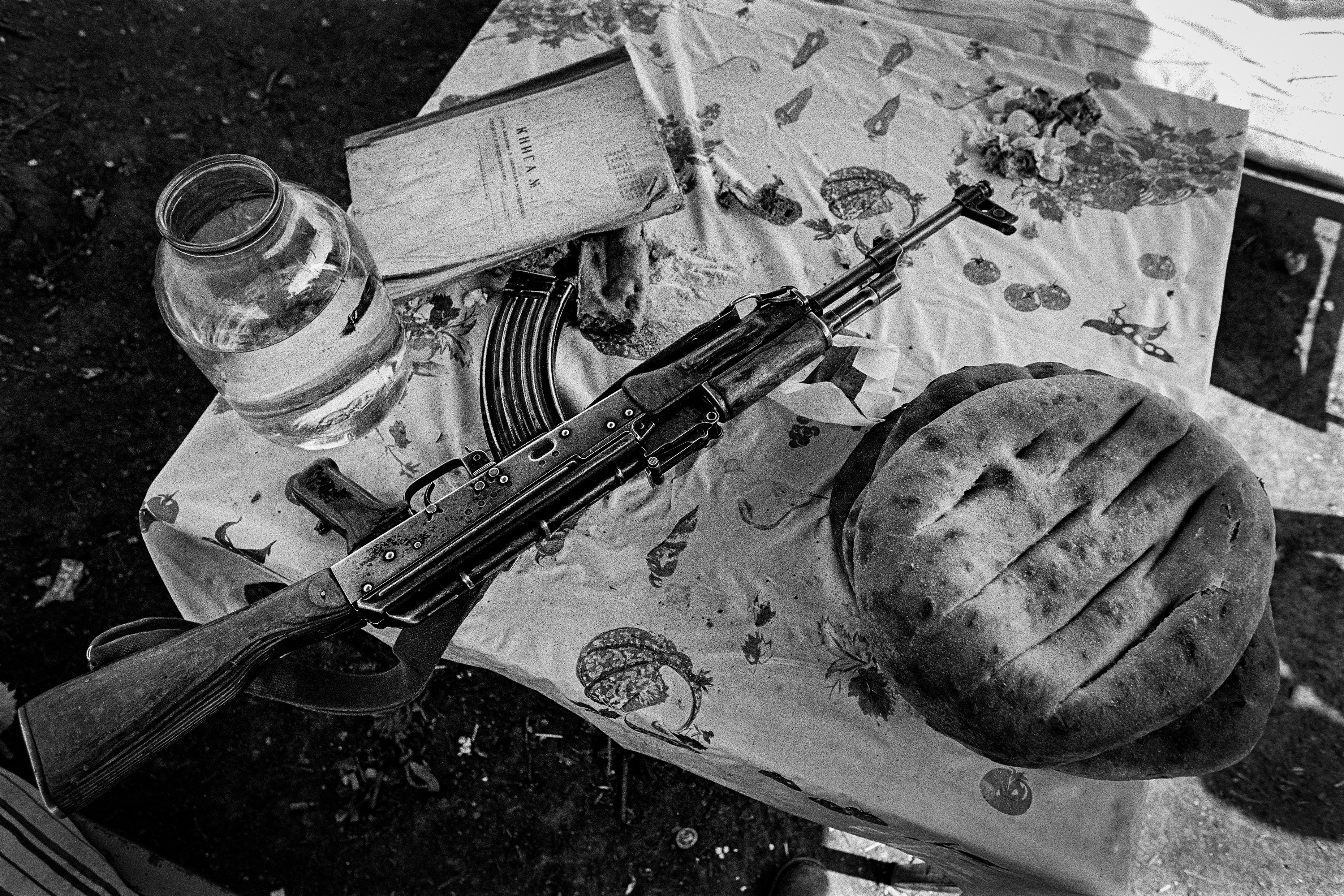
"When God Wasn't Looking..." is the title of an exhibition of black-and-white photographs from a land that no longer exists. Three members of the 400ASA association—Karel Cudlín, Antonín Kratochvíl, and Jan Mihaliček—photographed Nagorno-Karabakh at the end of the last millennium. Each at a different time, in a different place, under different circumstances, and each through their own unique lens. The photographs thus depict war, refugees, but also the country’s postwar reconstruction during rare moments of peace. As a whole, the exhibition speaks to the senselessness of war and, above all, to the greatest victim of every armed conflict—the ordinary person.
Kurzor Gallery and Jelení Gallery – Center for Contemporary Art, Prague
At Galerie Kurzor, look forward to the second exhibition in the series “Conversations on Reproductions,” titled “The Structure of the Image System.” The common theme among the three exhibiting artists—Jan Nálevka, Adéla Svobodová, and Ally Dau—is a reflection on the image as a record of the process that shaped it.
The exhibition will present a selection of works from recent years by the painter and sculptor (1945–2025), who passed away unexpectedly. His work is characterized by the clash between spontaneous and explosive painterly gestures and their “overlaying” or channeling through lines and other geometric shapes.
Starting at 4:00 p.m., the area in front of the main building of the Museum of Prague will transform into an open-air city festival filled with music, lights, a summer atmosphere, workshops, children’s activities, food, drinks, and a chance to explore the museum after dark.
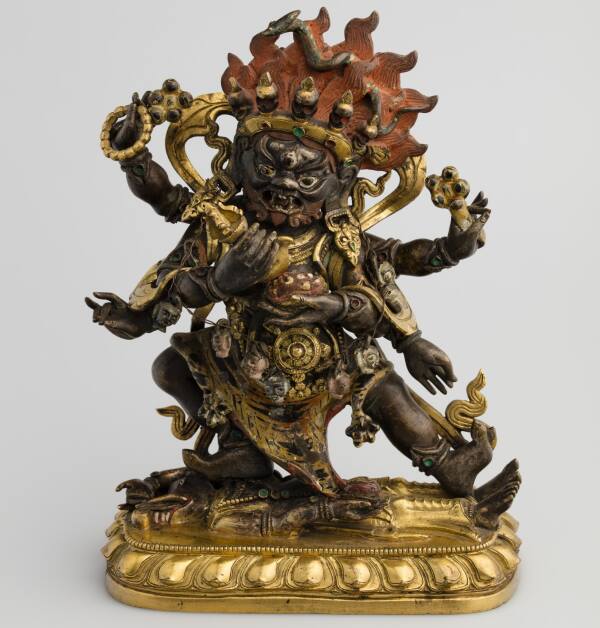
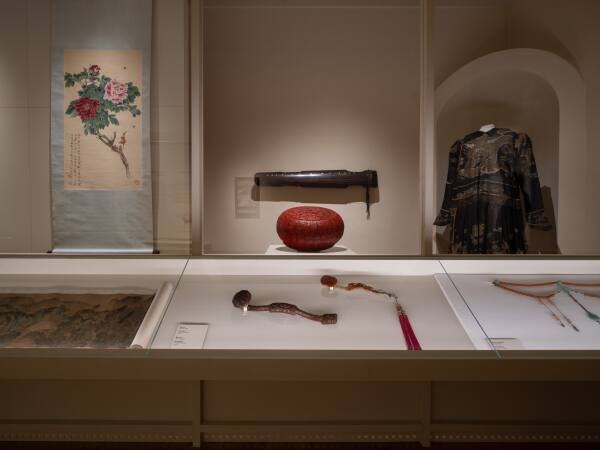
The NGP’s Asian Art Collection presents, in a new permanent exhibition at the Salm Palace, a selection of 520 works of art from Asia and the Islamic world, created over a span of 5,000 years and, among other things, situated within the context of cultural relations with Central Europe.
The current exhibition, ECHOES OF TOMORROW, spans 2,500 square meters and combines cutting-edge technology with a deeply emotional experience. The exhibition is a mix of immersive installations, interactive experiences, and art driven by data and algorithms.
Come take a look into the world of teeth, jaws, and real anthropological finds. During the workshop, you’ll uncover traces of disease and the daily lives of our ancestors, and discover why prevention is more important than we think.
Hidden, unique, romantic—that is how the garden of Šternberk Palace is often described. It offers a view of the palace’s most beautiful architectural features, provides a glimpse into the Deer Moat, and presents a rare opportunity for contemplation beneath majestic trees. Yet the garden’s tranquility is only apparent. Is the athletic Odysseus not attacking the woman playing with a dolphin? Is the girl cautiously making her way toward the pond not in danger? Probably not. The stork continues to intently watch the fish in the water, undisturbed. Let’s explore together the possible interactions between the figures cast in bronze and stone in this magical garden. An exclusive selection of 20th-century Czech sculpture offers us this opportunity. We will walk past sculptures by Jan Štursa, Jan Lauda, and Hana Wichterlová. Lecture by Jitka Handlová.
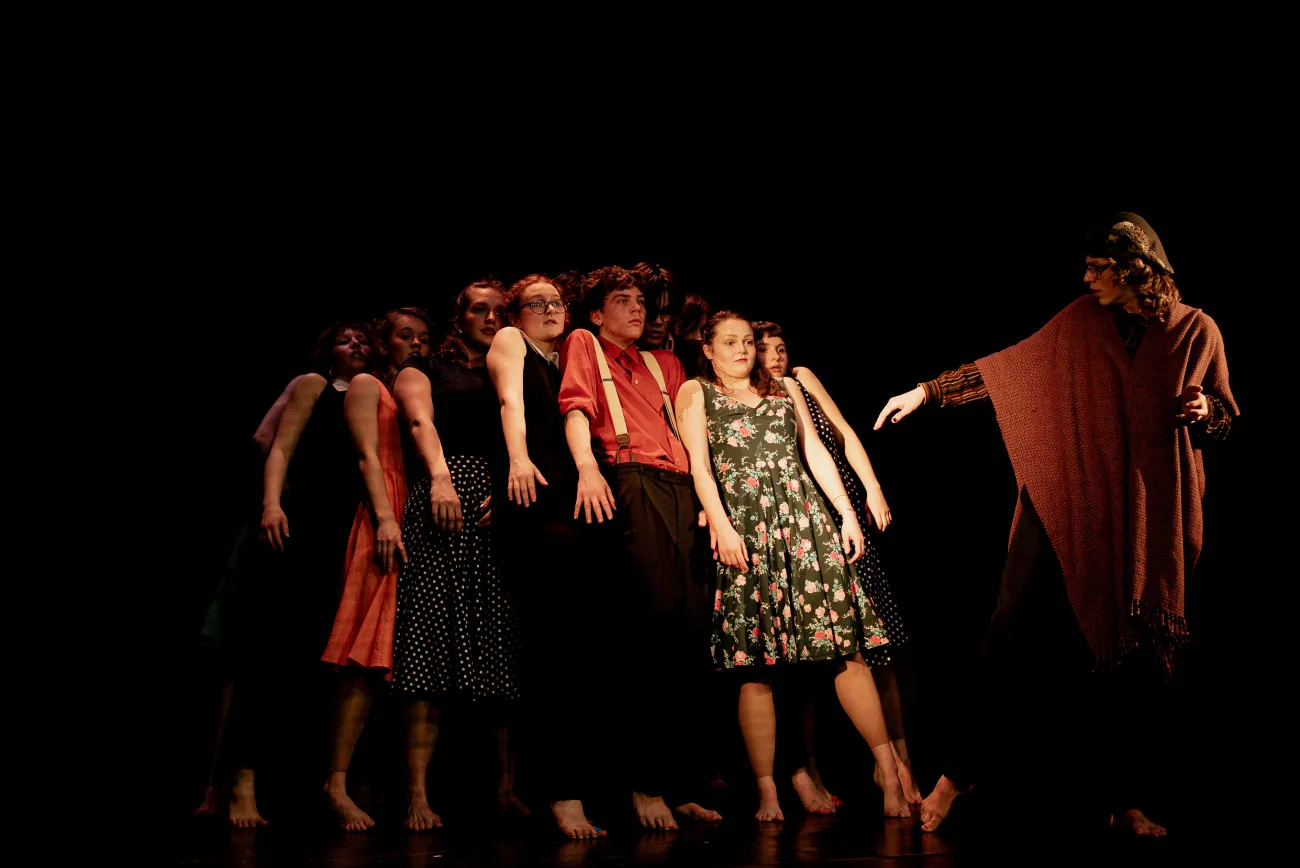
The performance by Tereza Silon & others at the Convent of St. Agnes of Bohemia intertwines text, movement, and sound. It offers an original exploration of mysticism, physicality, and collective experience, drawing loose inspiration from the book *Heavy and Grace*, the biography of Simone Weil, and the symbolism of the convent’s plants.
As part of Prague Museum Night, artists will open their studios, and the curators of the residency program will introduce them during a guided tour. At the same time, you can visit two exhibitions on the first floor: Taiwanese artist Chen Chen Yu will present Dream of the Eggs, and graduates of the FAMU Department of Photography will showcase their final projects at the FOTOFUTURES 2026 exhibition.
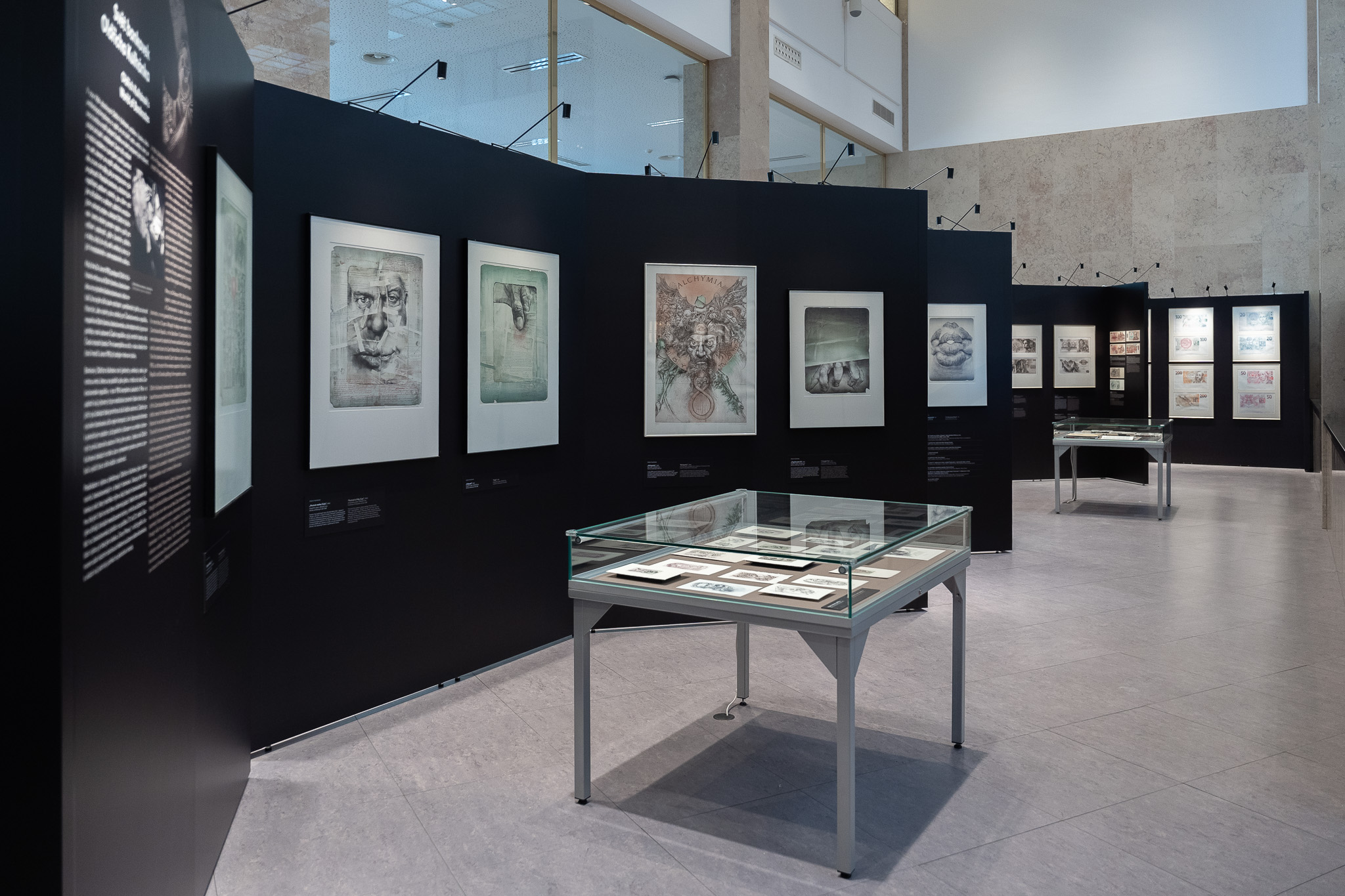
Artist Oldřich Kulhánek is well known to the Czech public primarily for the banknotes that pass through our hands every day. However, his work extends far beyond this. The exhibition also presents lesser-known aspects of the oeuvre of one of the most prominent figures in Czech graphic art.
Who controls our data, personal sovereignty, and political freedom? Answers are offered by the art-research project and an international group exhibition DATAS: The Data and the Sovereign, in which Czech and international artists explore, through their works, how computing technologies, AI, automation, and digital infrastructures undermine personal and state sovereignty. Curated by Lívia Nolasco-Rózsás.
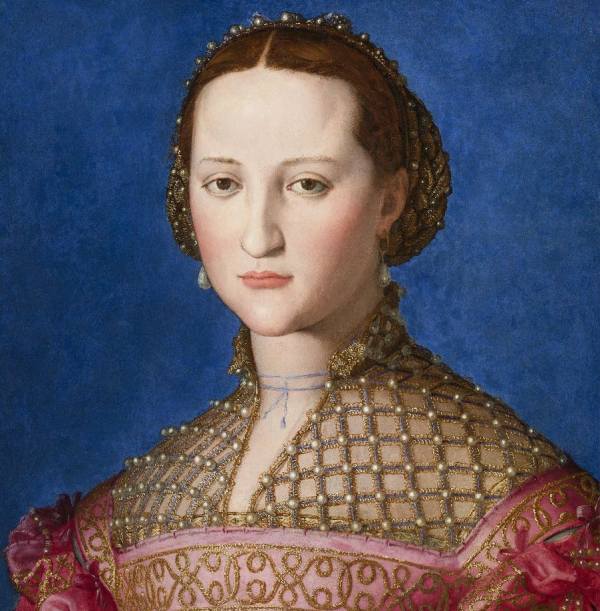
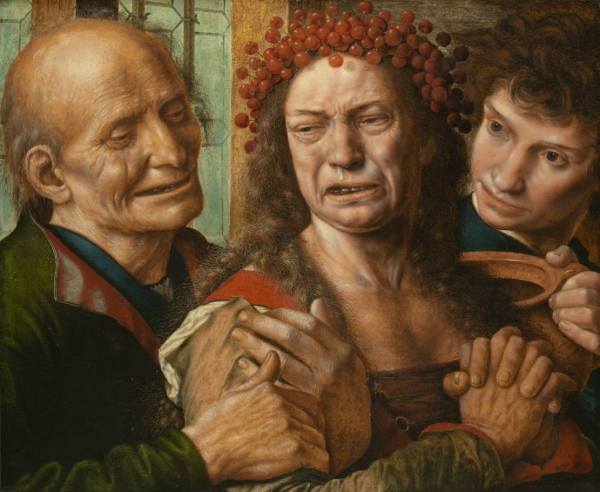
The Old Masters exhibition at the Schwarzenberg Palace presents a selection of the most significant masterpieces from the Collection of Old Art (Hans von Aachen, Petr Brandl, Matyáš Bernard Braun, Lucas Cranach, Adriaen de Vries, Albrecht Dürer, El Greco, Hans Holbein, Jan Gossaert, known as Mabuse, Peter Paul Rubens, Bartholomaeus Spranger, Karel Škréta, Michael Leopold Willmann, and others).
The program will also include special themed tours focusing on Vyšehrad’s tales and legends. In addition to the well-known legends of Libuše and Šemík, you’ll hear lesser-known stories recorded by the writer Popelka Biliánová, who captured the old legends of Vyšehrad and the secrets of old Prague.
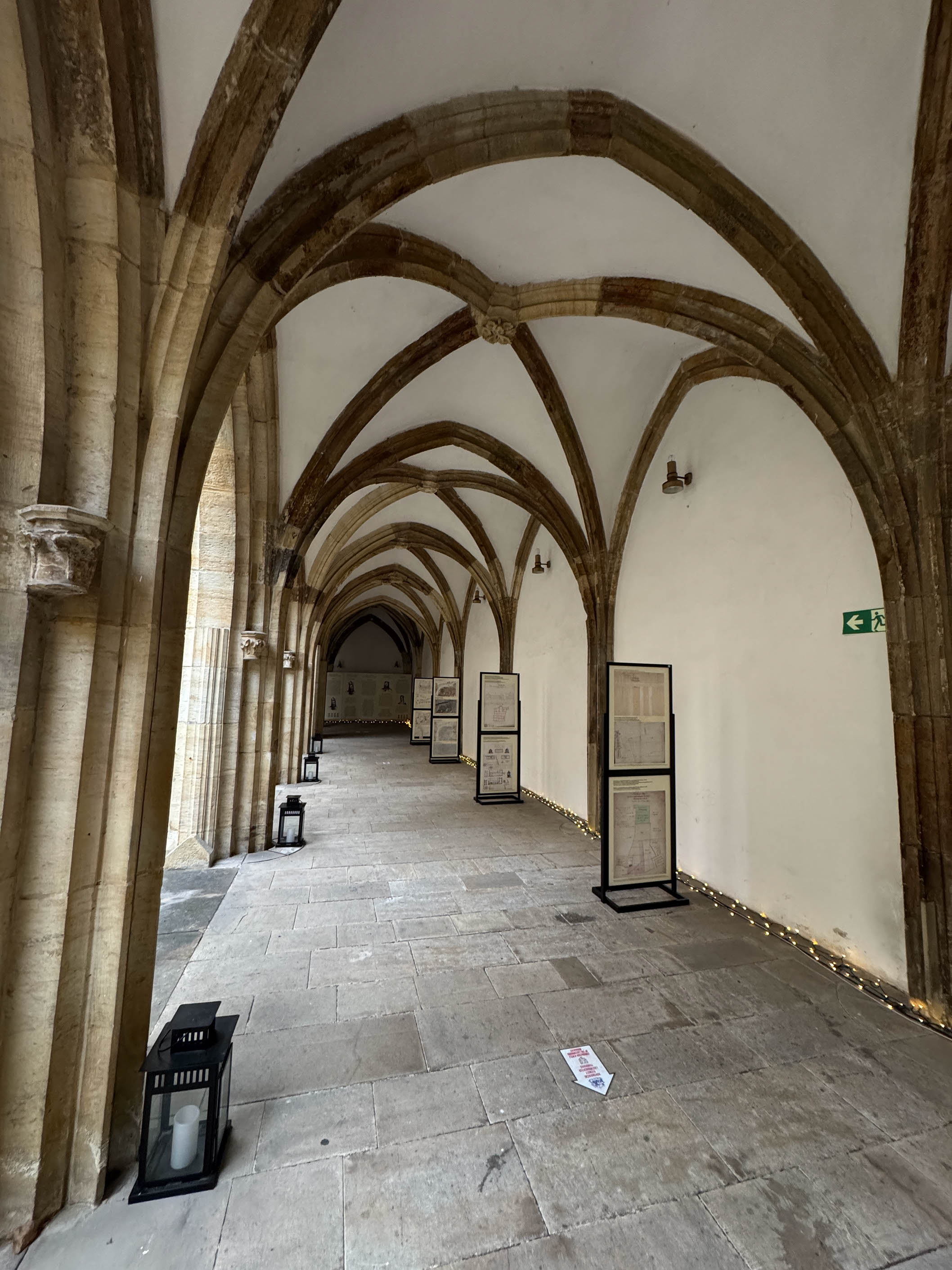
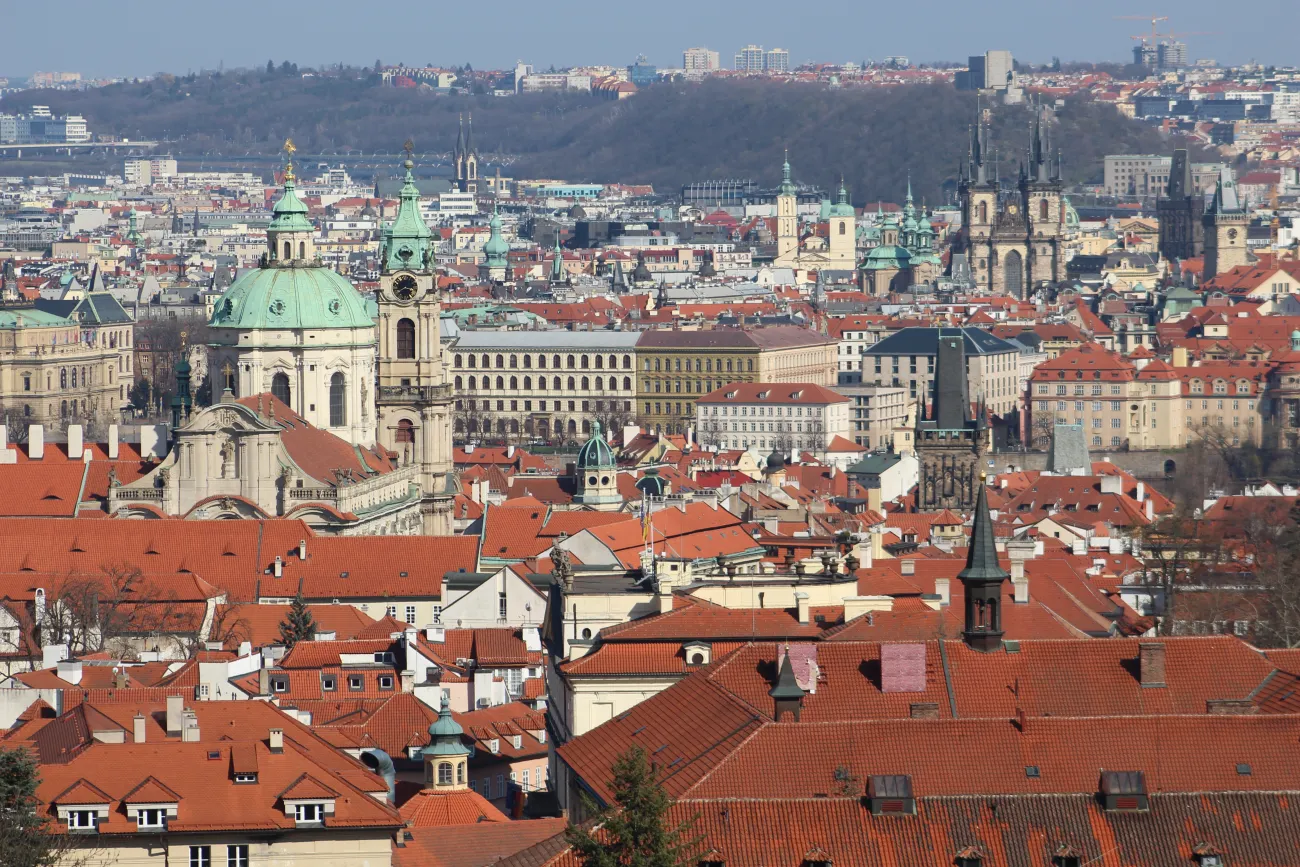
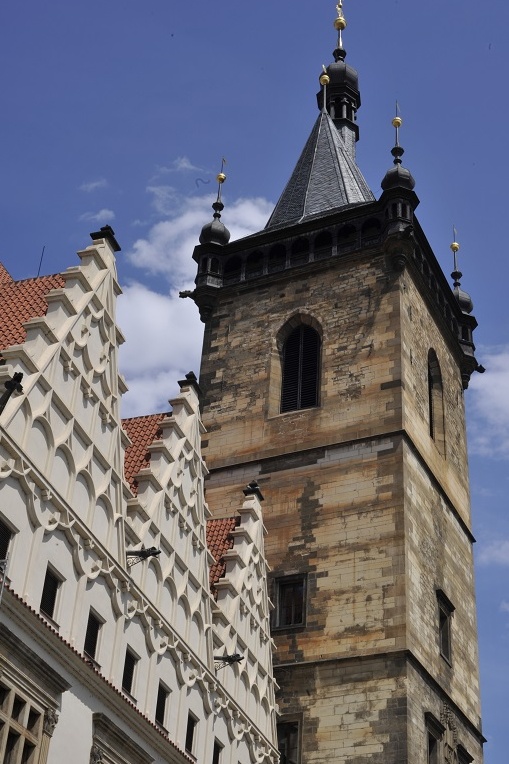
THE HISTORY OF NEW TOWN AND PANORAMIC VIEWS OF PRAGUE. The exhibition presents the history of New Town as well as the oldest panoramic views of Prague, which depict the city from elevated vantage points surrounding the entire Prague basin. The exhibition consists of copies of historical engravings from the archives of the City of Prague Museum. The tower’s observation deck offers a beautiful view of Prague at night.
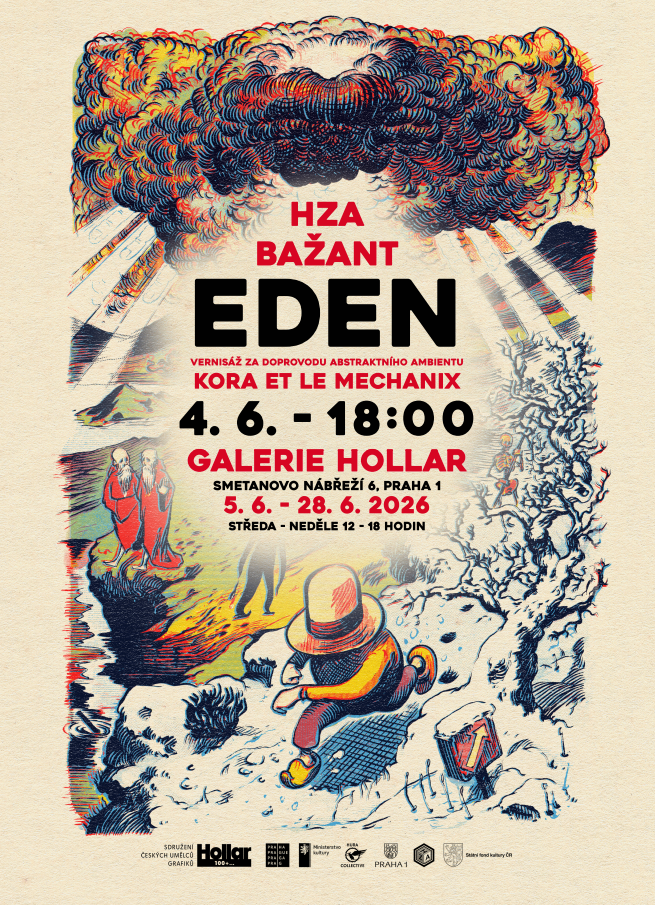
EDEN, a solo exhibition by set designer, puppeteer, illustrator, and graphic artist Hza Bažant, presents works created from 2020 to the present, all united by the motif of the garden as a private paradise—a space of beauty, abundance, and inevitable transience. The individual graphic works create separate worlds with their own inhabitants, rules, and stories, interconnected by the endless natural cycle of birth, growth, decay, and renewal. The artist returns to memories, childhood landscapes, and the passage of time, and through the motif of the garden, he explores humanity’s relationship with nature, uncertainty, and things that can never be fully controlled.
The internationally acclaimed exhibition *Echoes of Tomorrow* is currently complemented by the accompanying exhibition *Dream on! Where it all began*, which takes you back in time to relive memories of previous editions of the Signal Festival.
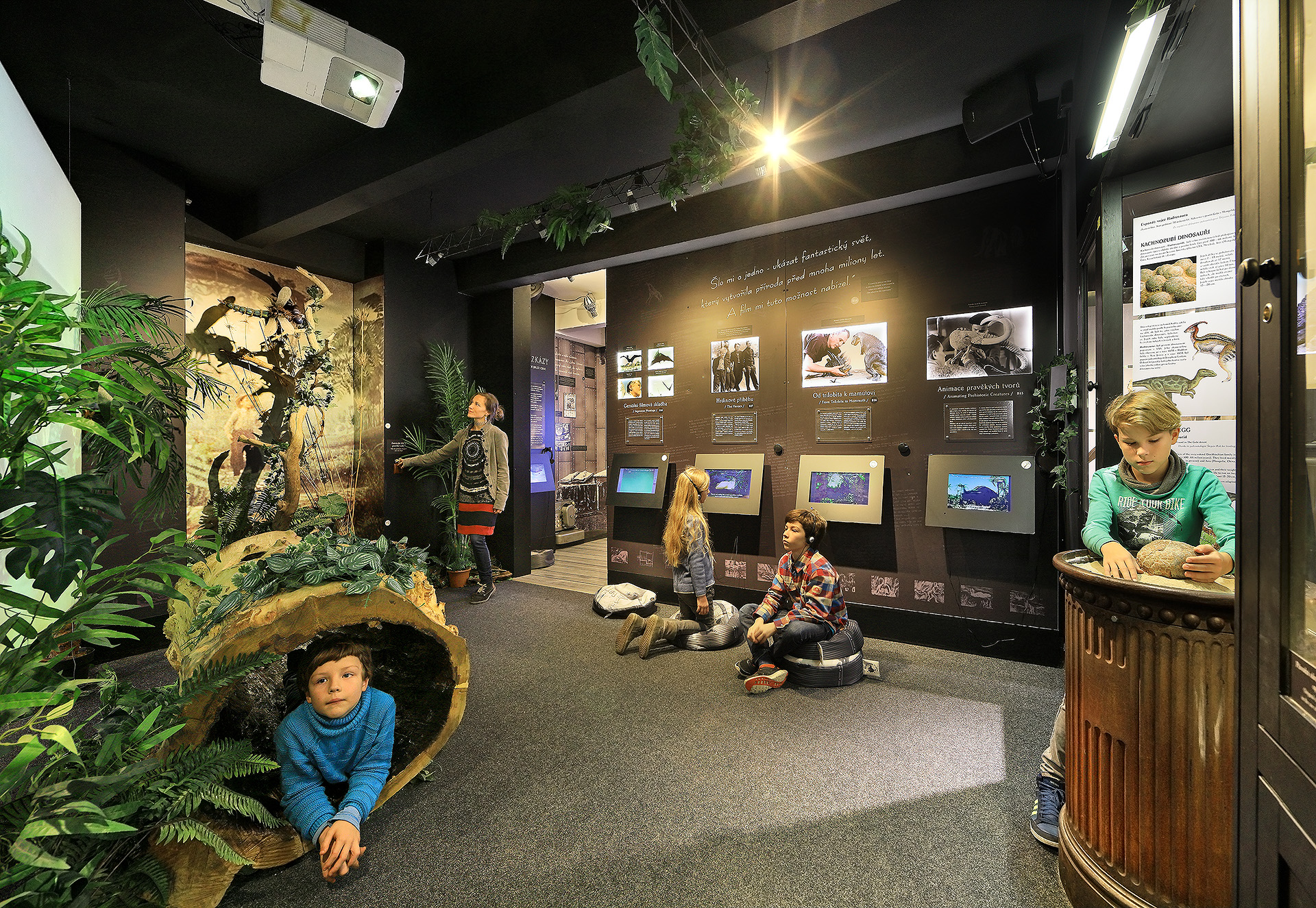
In addition to a tour of the permanent exhibition at the Karel Zeman Museum for a special price of 120 CZK per person, visitors to the Filmohraní room will be treated to screenings of digitally restored films by Karel Zeman: *Journey to the Prehistoric Era*, *The Stolen Airship*, and *Baron Munchausen*.
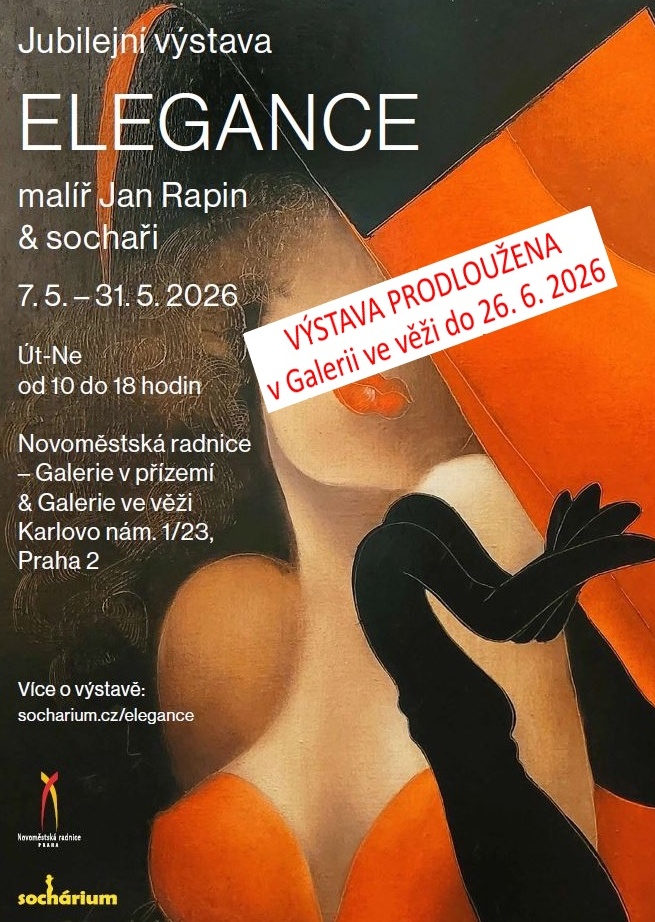
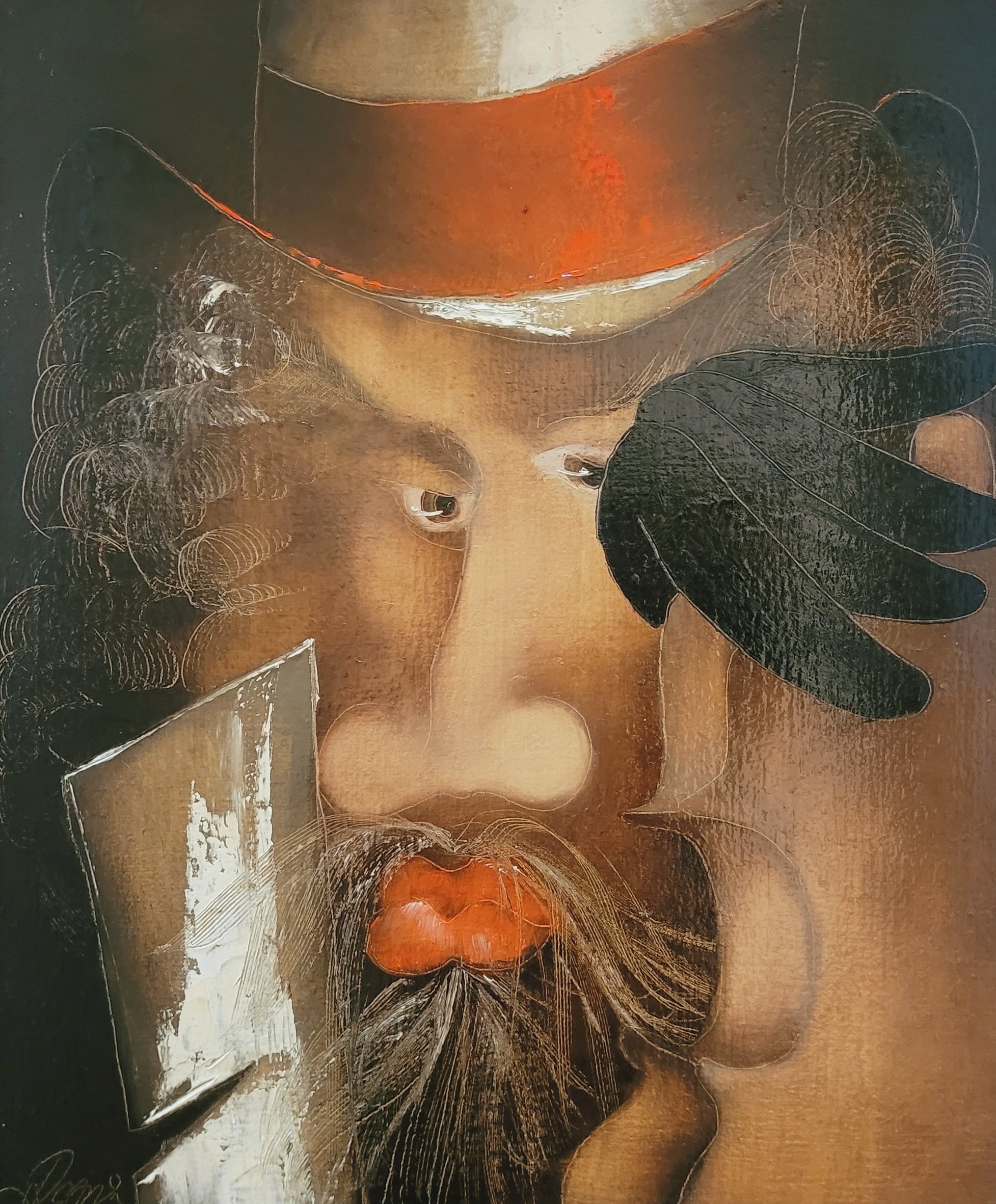
The anniversary exhibition by painter Jan Rapin, titled ELEGANCE, organized in collaboration with the SOCHÁRIUM Gallery to mark his 70th birthday, will present the most comprehensive overview of the artist’s work to date.
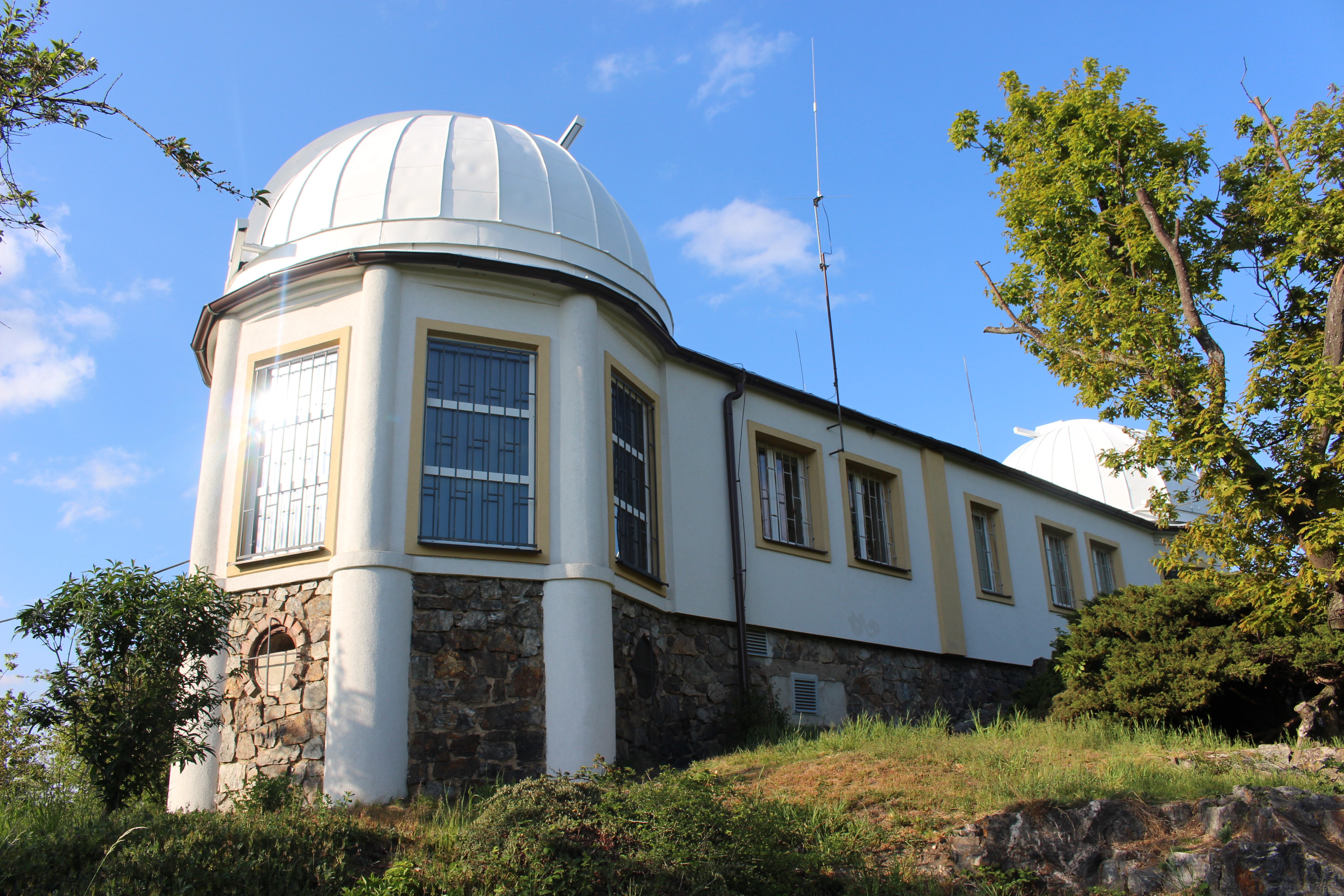
During Museum Night 2026, the Rothmayer family villa will open its doors to visitors in the evening. The house was home to Božena Horneková-Rothmayerová, a fashion reformer; Otto Rothmayer, the architect of Prague Castle; and their son Jan, a technological visionary who transformed the villa into a prototype of today’s smart home.
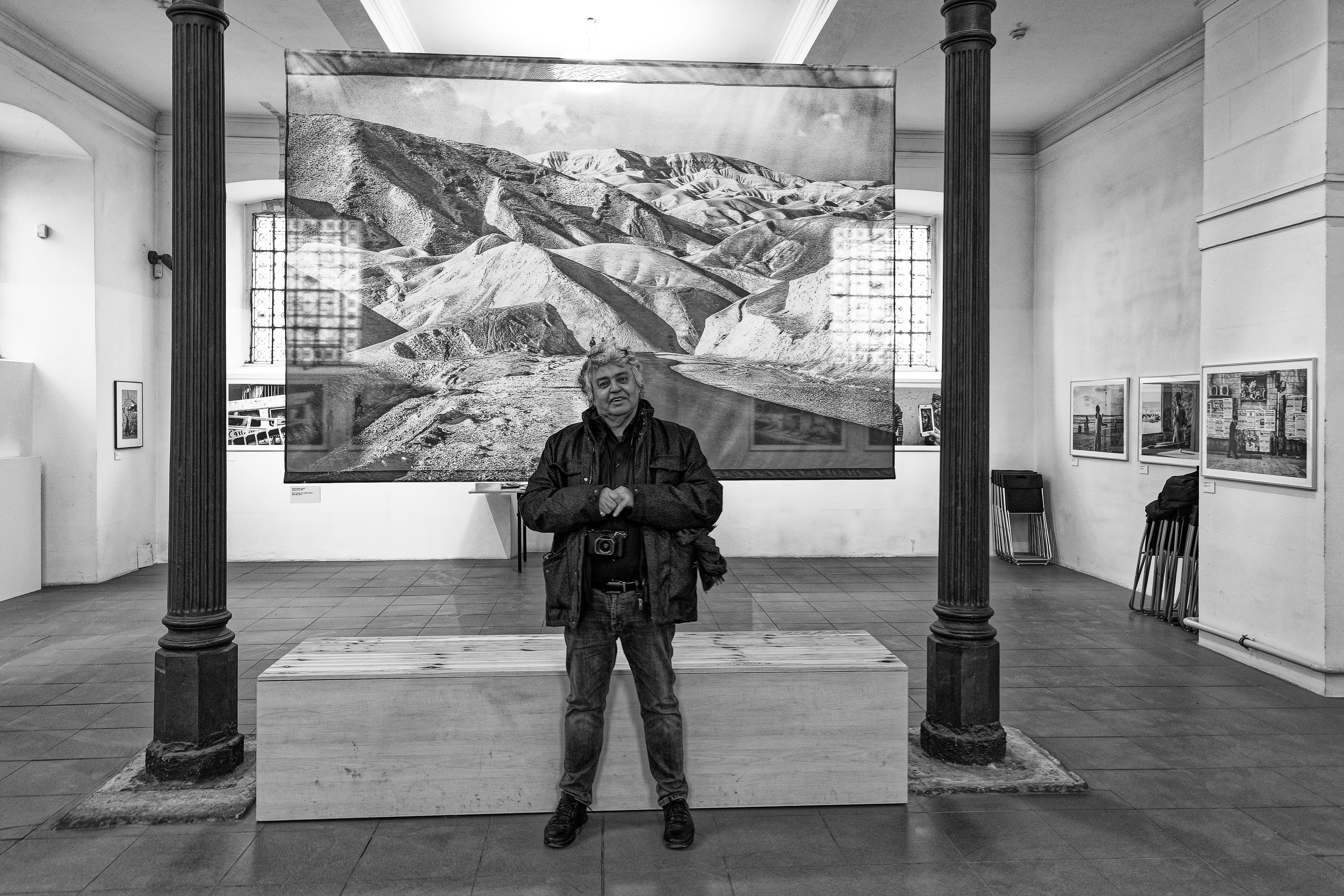
Through nearly two hundred photographs taken between 1996 and 2026, the exhibition offers a unique opportunity to journey through Israel from the Golan Heights to the Sinai Peninsula, while recalling many of the defining moments in the life of this ethnically and culturally diverse Middle Eastern country. Thanks to Cudlín’s exceptionally deep immersion in the life of Israeli society, his photographs offer a glimpse beneath the surface of everyday life, from which the author extracts images of extraordinary urgency and beauty with a quick and unmistakable photographic touch—images full of tension, joy, vulnerability, and hope. The exhibition, organized in collaboration with the 400 ASA photography association, is being held to mark the first edition of Cudlín’s eponymous photography book.
The artist will be present in person at the exhibition hall from 7:00 p.m. to 9:00 p.m. Painter Jan Rapin will set up his “artist’s studio” on the 4th floor of the New Town Hall tower.
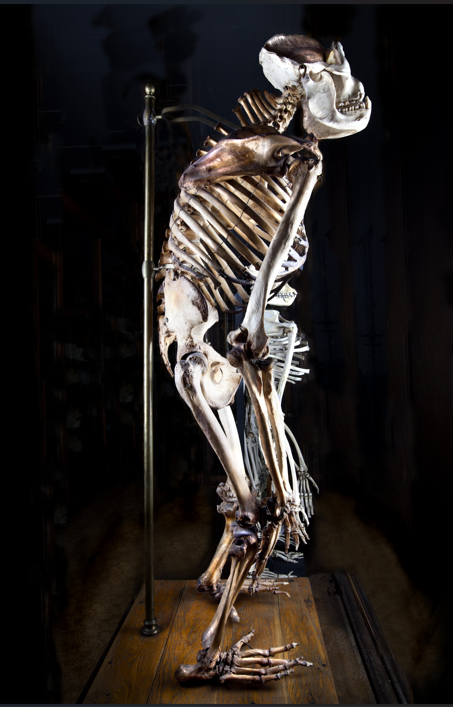
The museum is a university collection of anthropological nature. The permanent exhibition covers topics such as human evolution, individual development, human variability, as well as pathology and death. The collection as a whole serves to support education and research.
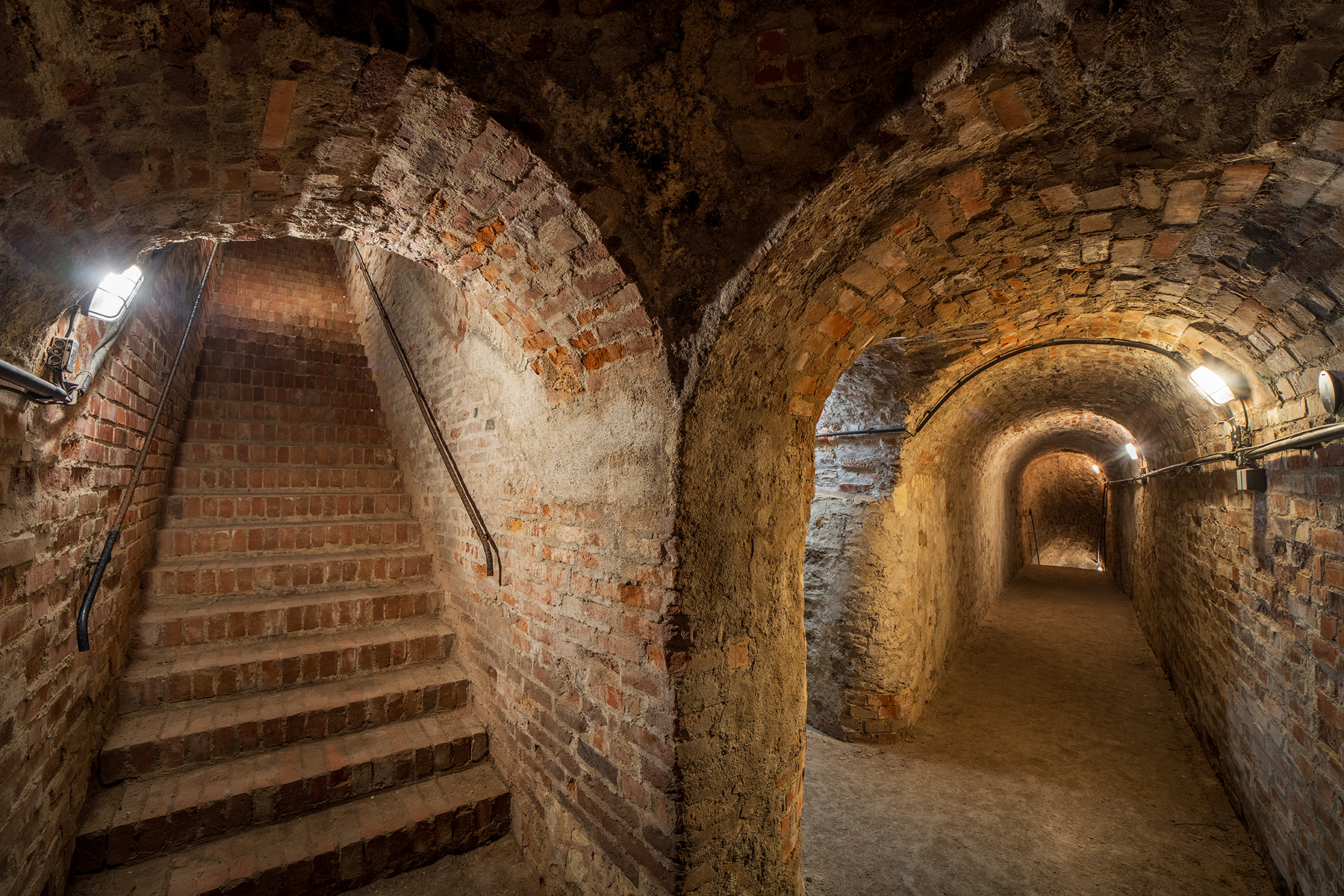
From the Brick Gate, you’ll walk through a historic corridor to the monumental Gorlice Hall—the largest underground hall in historic Prague, which was actually created by accident during the construction of the fortress. It is here that six original Baroque statues from Charles Bridge are on display.
Vladimír Škoda is one of the leading figures in contemporary visual art and is rightly regarded as an artist of European stature. He has been based in France for many years, where he has established a strong presence on the international scene, and his work is represented in major public and private collections.
Join us on a journey through the world of rocks and fossils and discover all the stories they tell about our planet. Can you identify an igneous rock at a glance? Do you know what pillow lava reveals about the environment in which it formed, or that ammonites help determine a rock’s age?
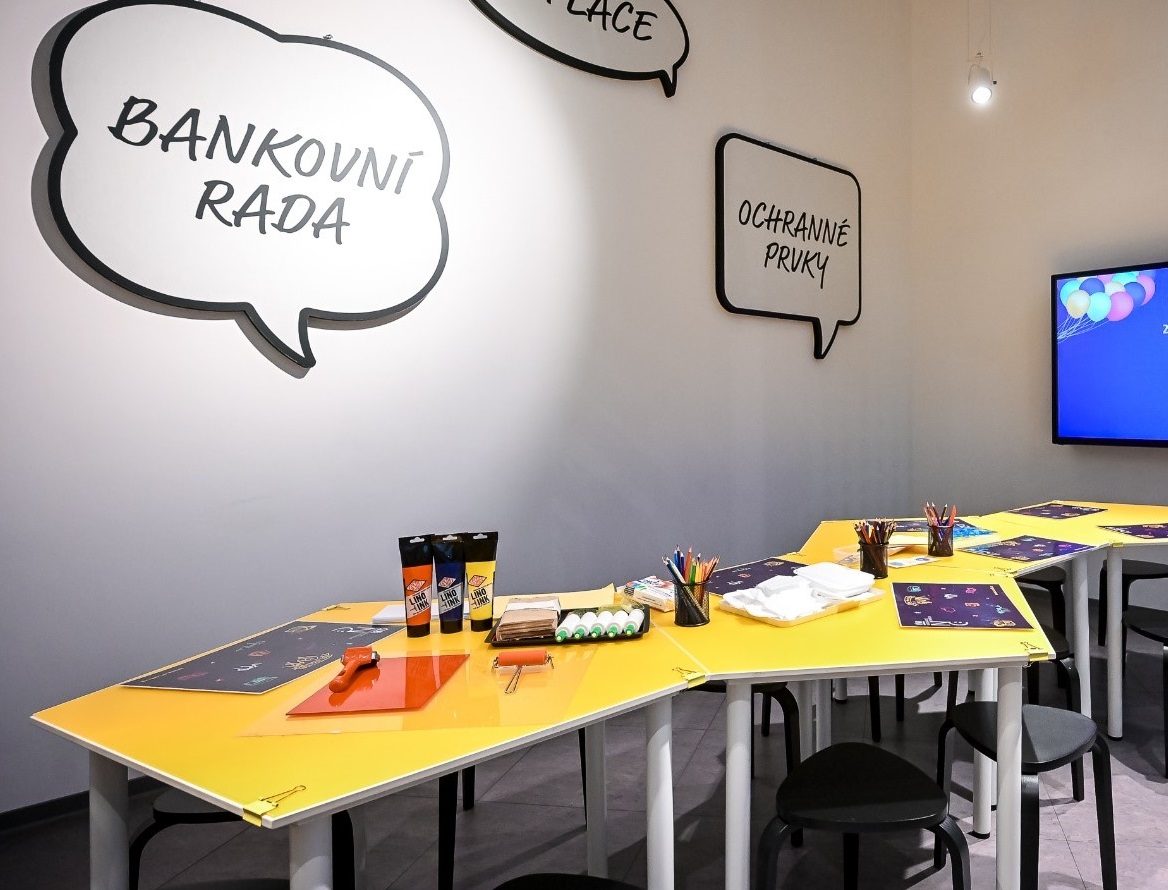
Experience the world of banknotes through your own creations. You can design your own currency at our creative workshop, while learning interesting facts from the world of banknotes and testing your knowledge of security features.
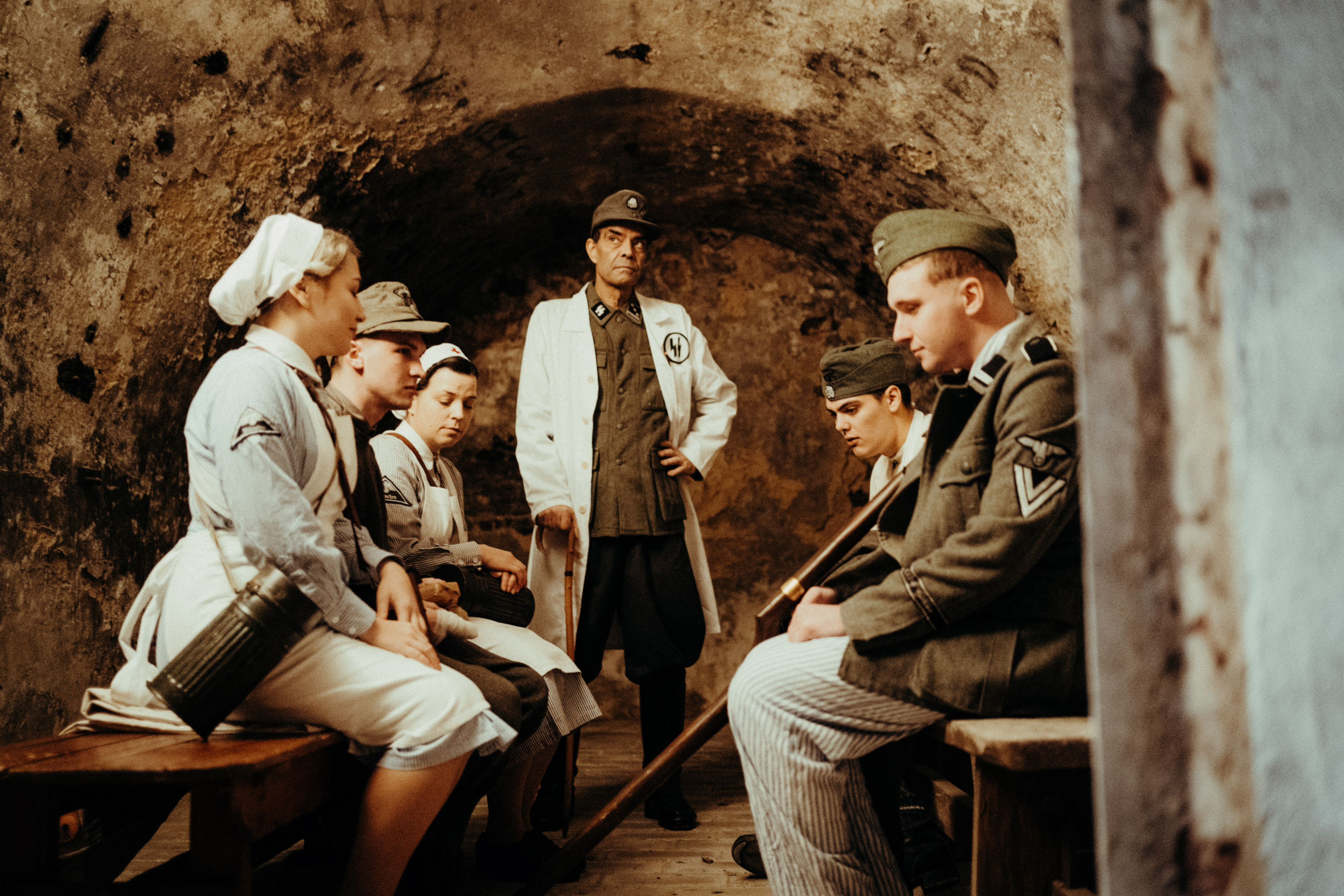
Discover the former air-raid shelters of the SS military hospital in Podolí. The period furnishings in the command room, infirmary, and other stations will transport you back to the dramatic periods of the 20th century and introduce you to the lesser-known history of Vyšehrad.
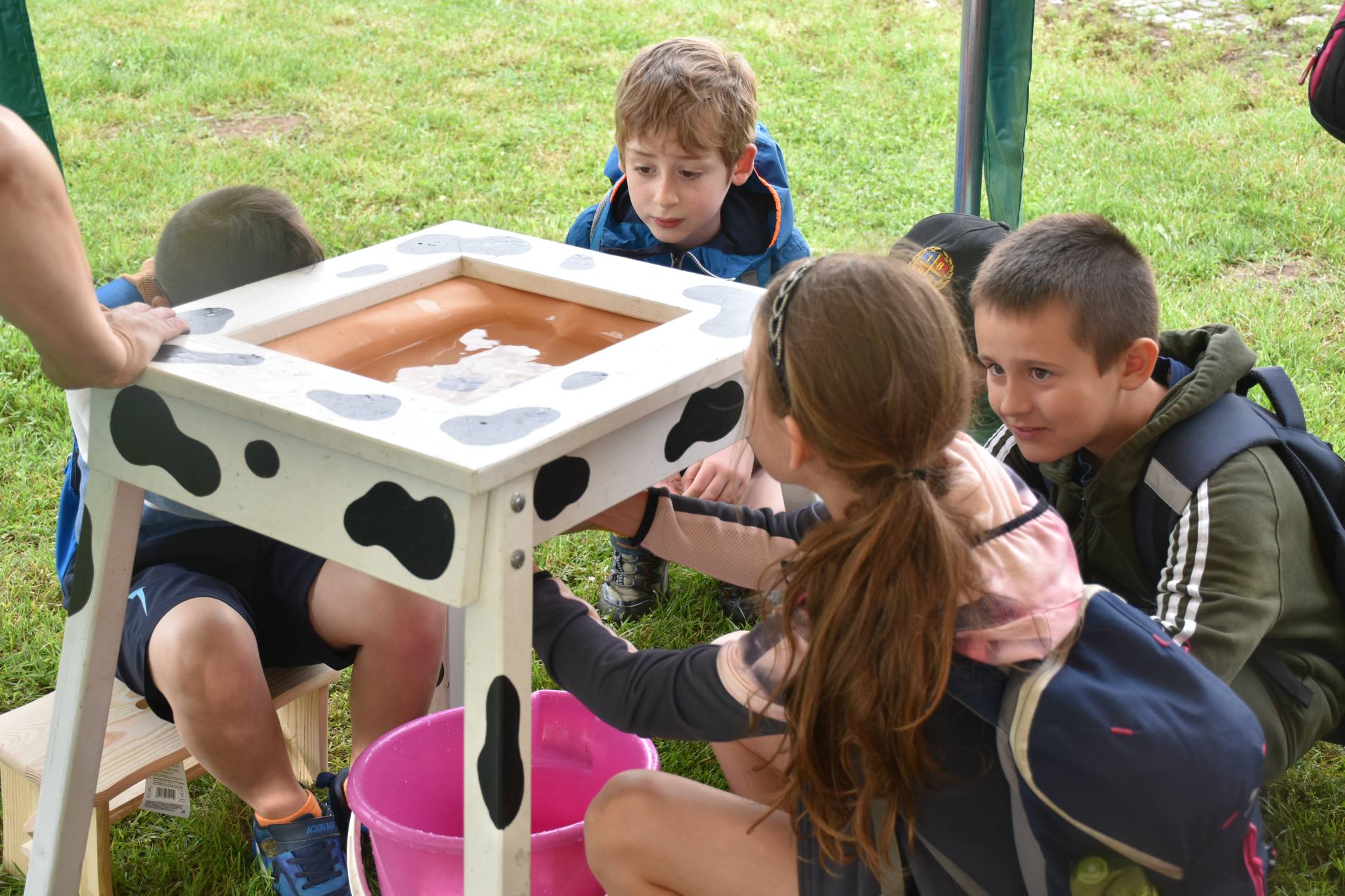
Get an up-close look at what life was like for a farmer—six interactive stations await you, where you can try your hand at milking a cow, churning butter, washing clothes on a washboard, grinding grain, cleaning the barn, or stomping grapes.
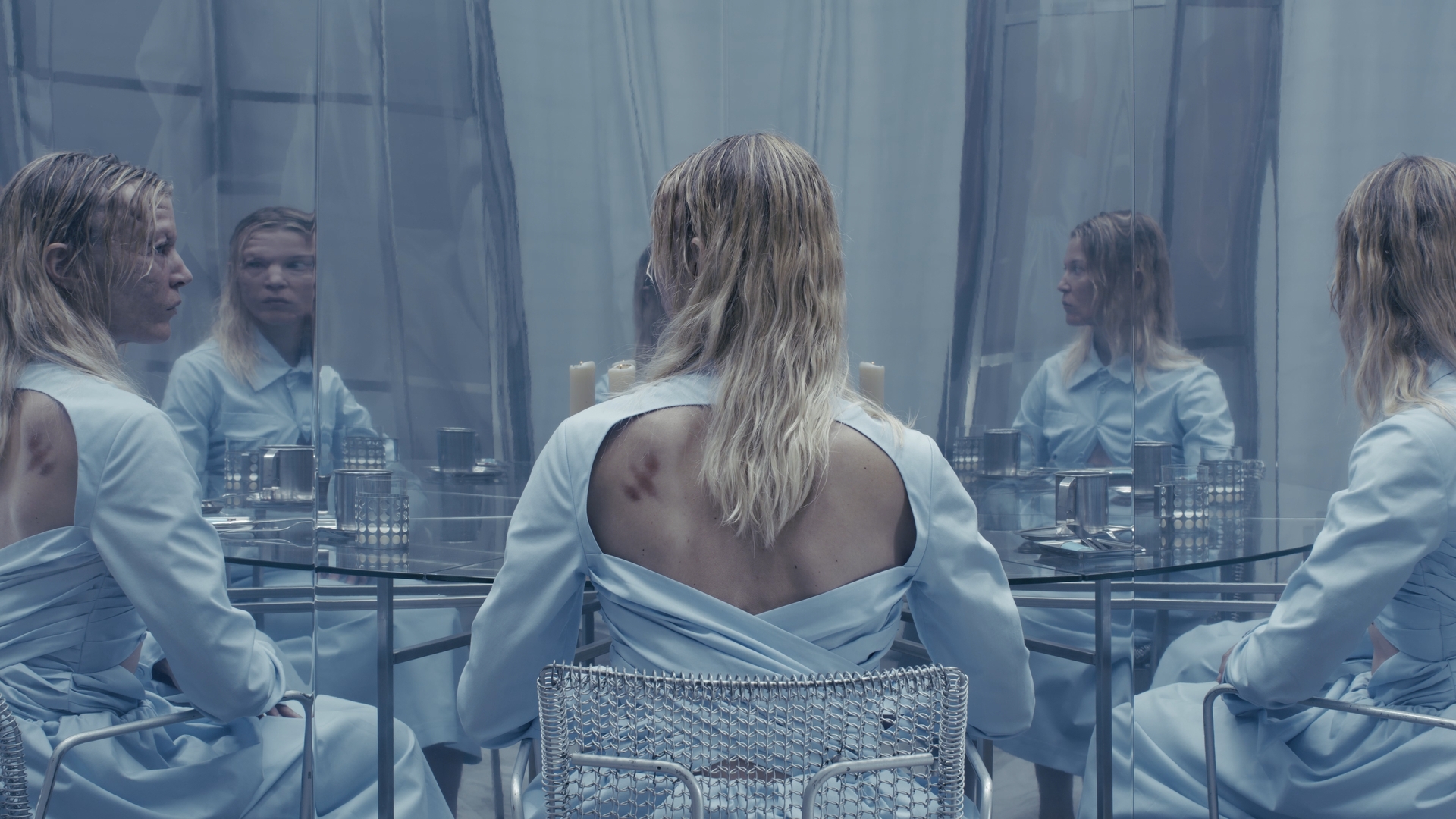
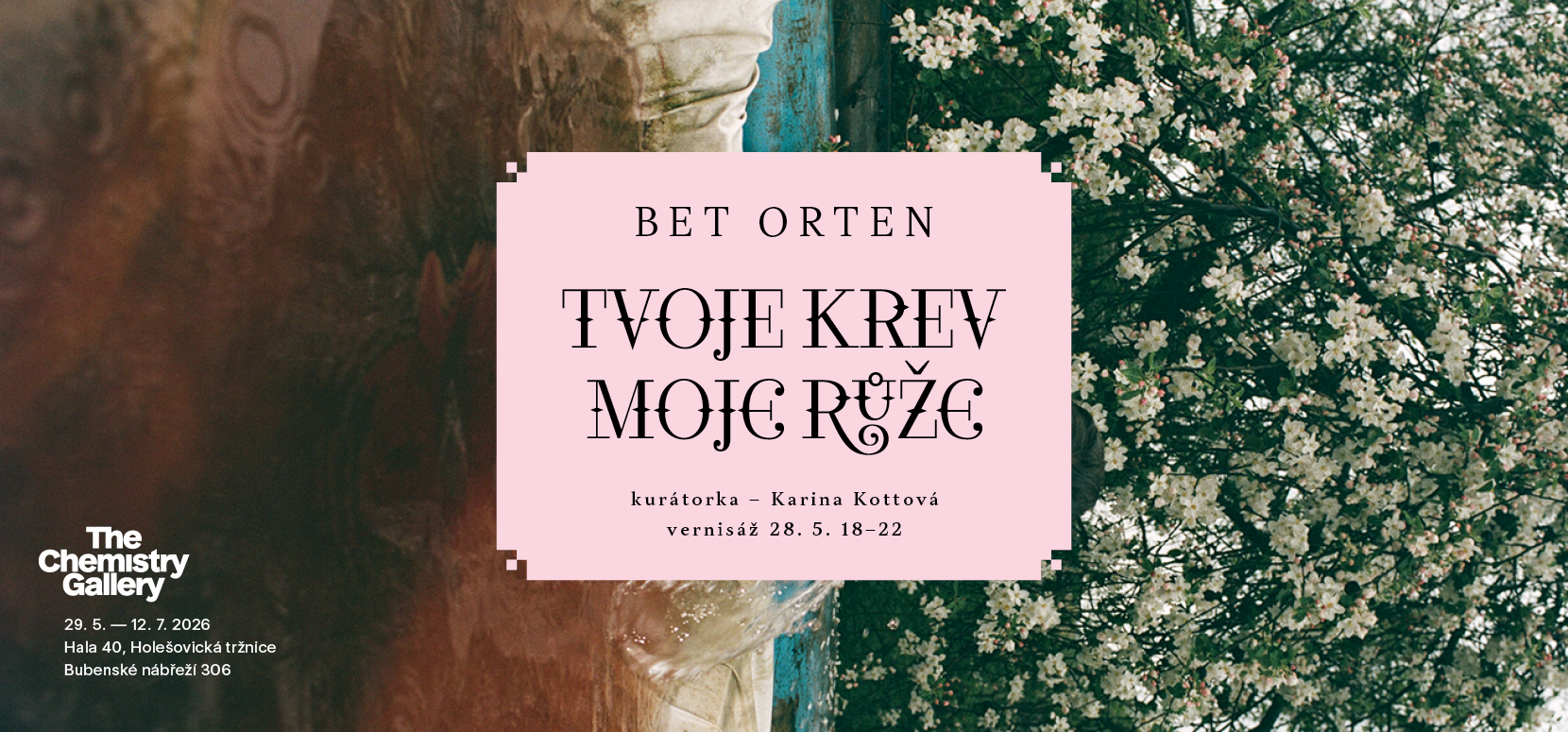
The exhibition by Czech photographer Bet Orten, YOUR BLOOD / MY ROSE, offers insight into key themes in the artist’s work, particularly the diverse aspects of the female experience. The works are presented in an unconventional installation that goes beyond the scope of traditional photography. The exhibition is complemented by photographic objects and installations featuring immersive elements.
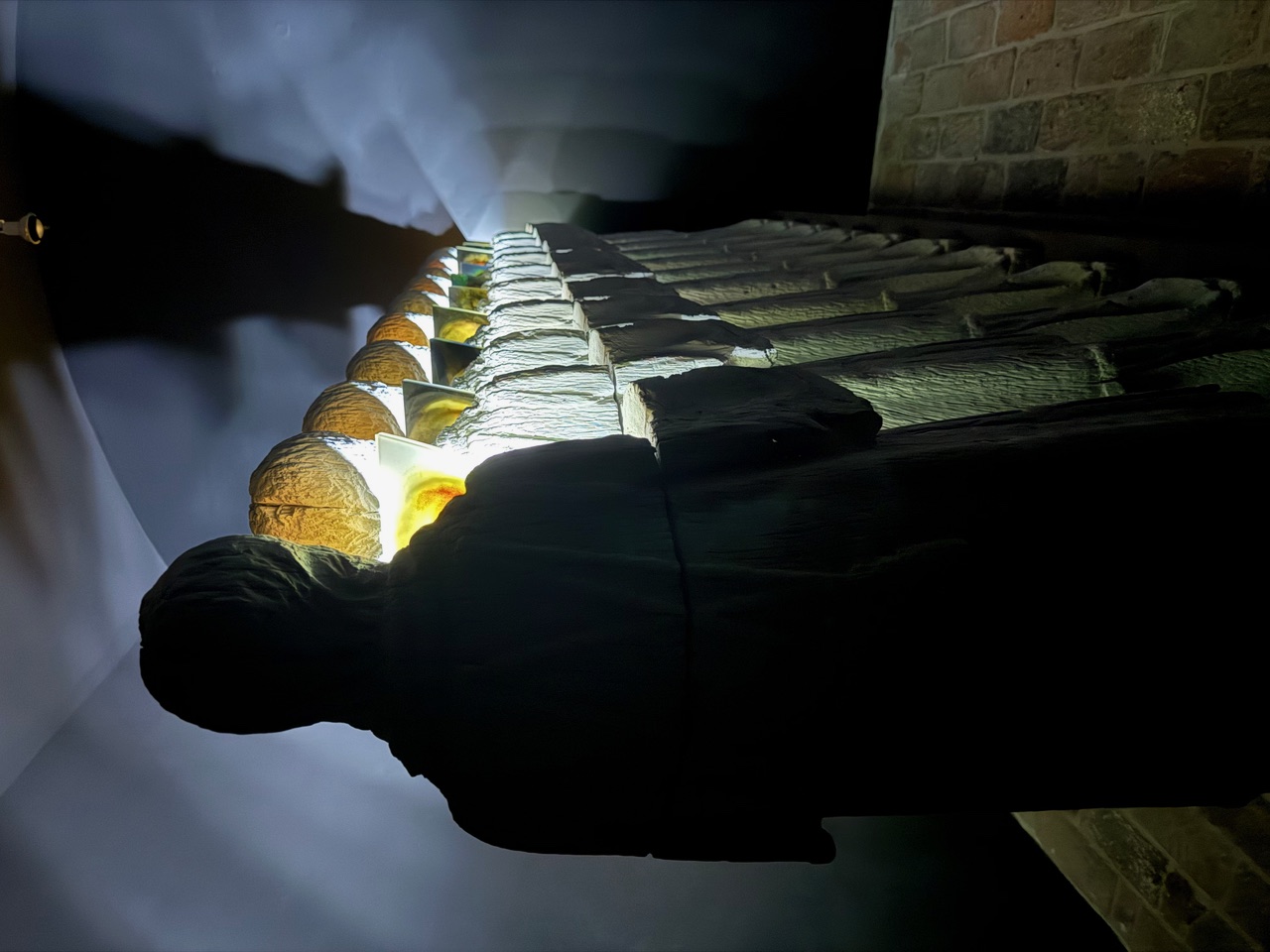
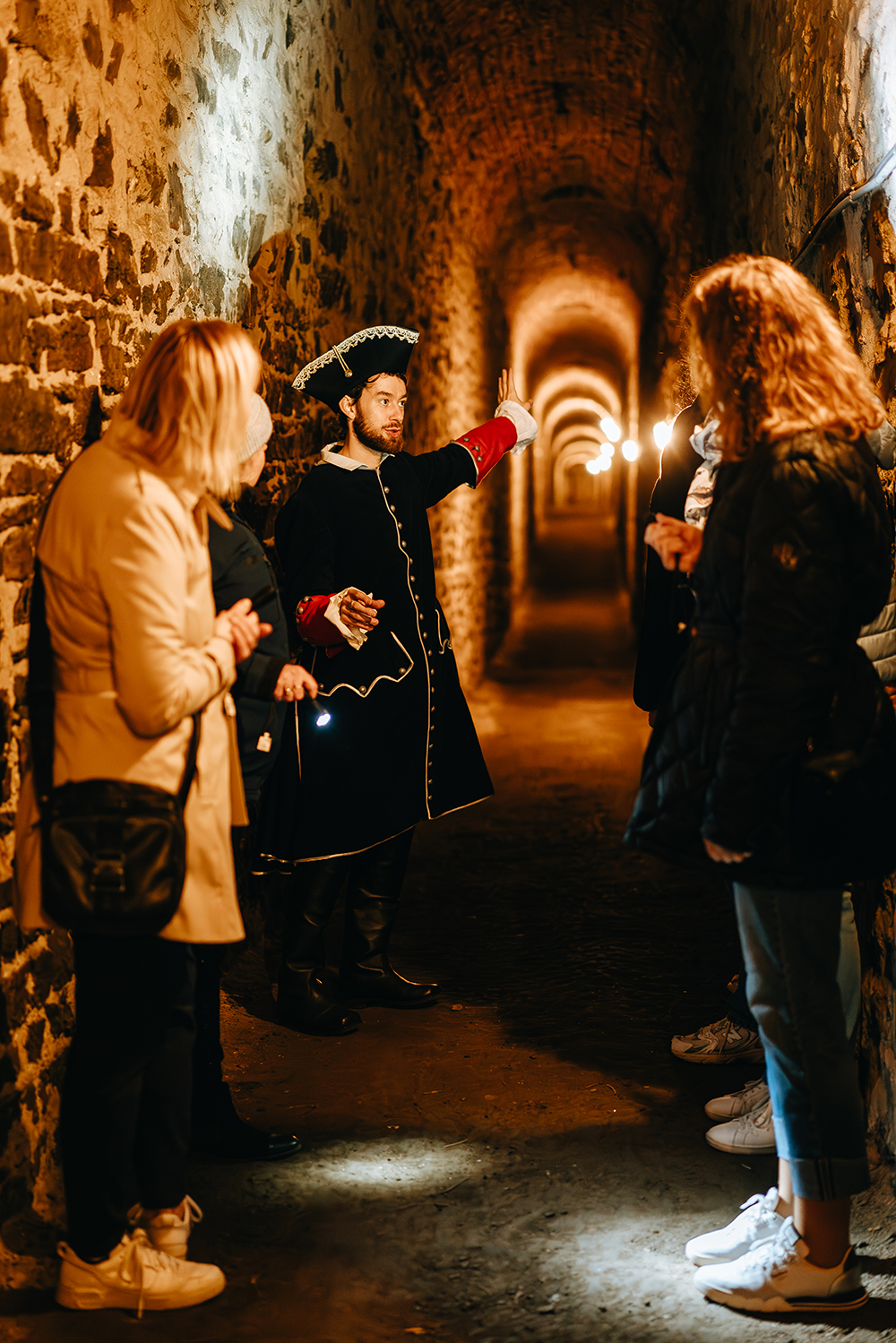
The Martin Casemates will captivate you with their mysterious, almost mystical atmosphere. The candlelit underground passages offer a unique experience and serve as a reminder of the days when soldiers defended the Vyšehrad Fortress against enemies.
Small Gallery at Chodov Fortress June 3 – July 26, 2026 Ivan Král, a native of Prague, was one of the most original Czech art photographers. Ivan Král’s unique perspective reflects his keen eye for detail and his perception of the world through the lens.
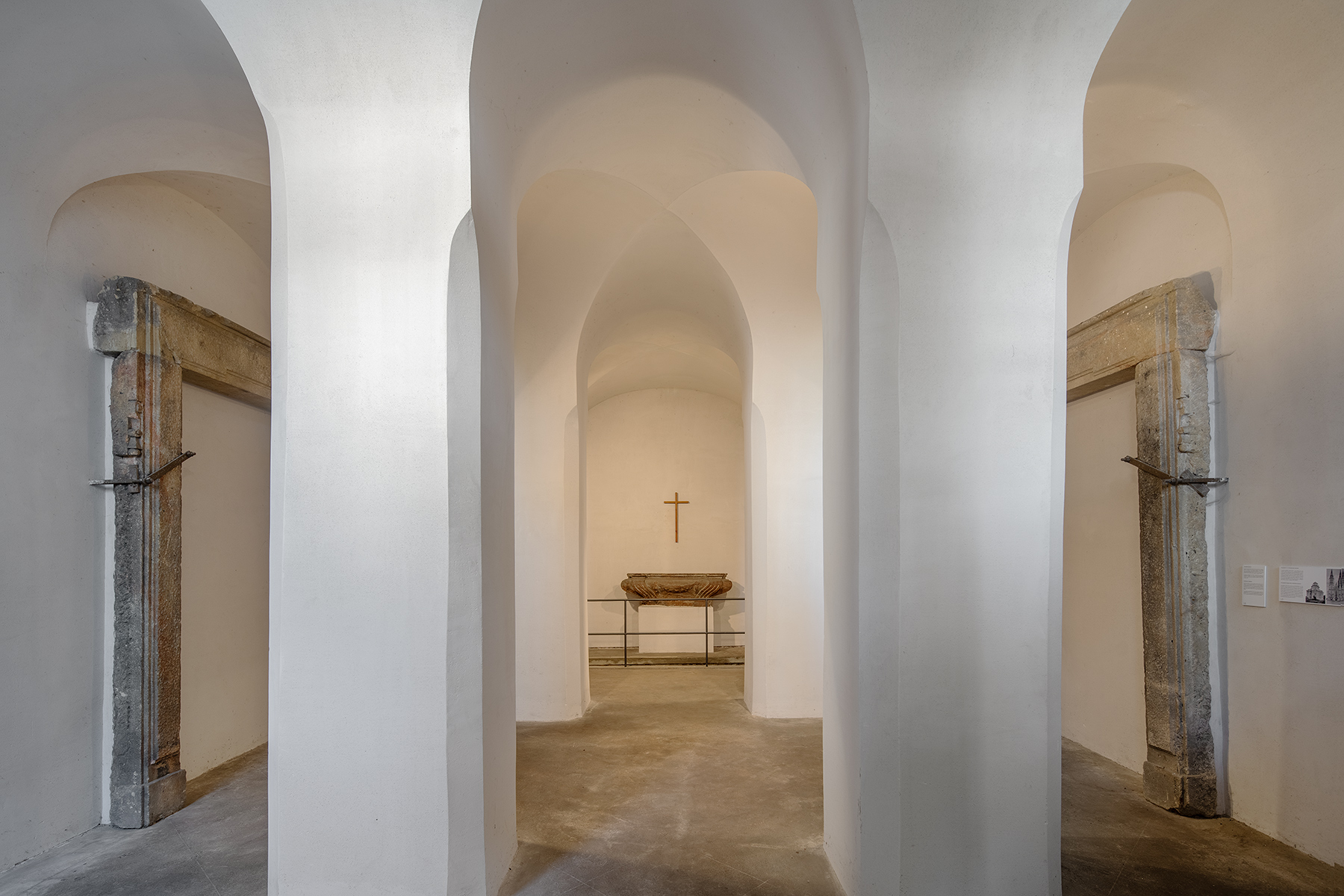
During Museum Night, the former Church of the Beheading of St. John the Baptist—hidden within the walls of Vyšehrad—will also open its doors; it houses stone fragments of the Baroque decorations from the Vyšehrad Basilica.
GEOLAB is a collection of interactive activities and games that let you try your hand at being a geographer or form your own perspective on current geographic issues.
The “Old Masters II” collection exhibition follows on from the “Old Masters I” exhibition located in the Schwarzenberg Palace across the street. The two exhibitions complement each other to form a single whole, while also presenting magnificent works of art in different contexts.
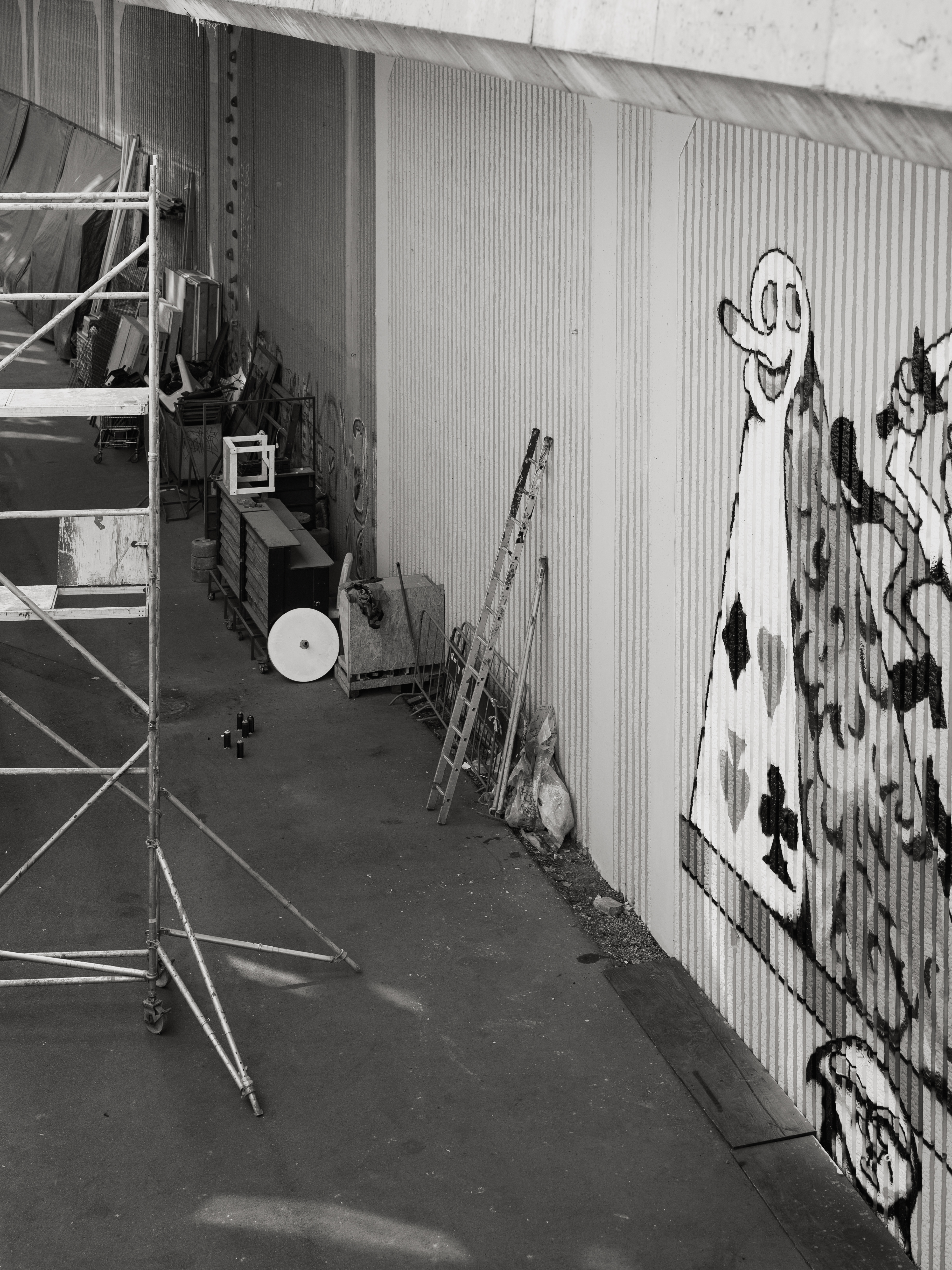
Tomáš Mitura’s large-scale mural covers the wall of a highway pillar, which creates a unique space behind the former glassworks building. Tomáš Mitura’s work straddles the boundaries of expressive painting, street art, comics, and subcultural imagery.
This large-scale installation by a Polish artist transforms the main gallery into a surreally ghostly apartment abandoned by its original inhabitants. A microcosm of insects, bacteria, and viruses quietly takes over all the everyday objects here.
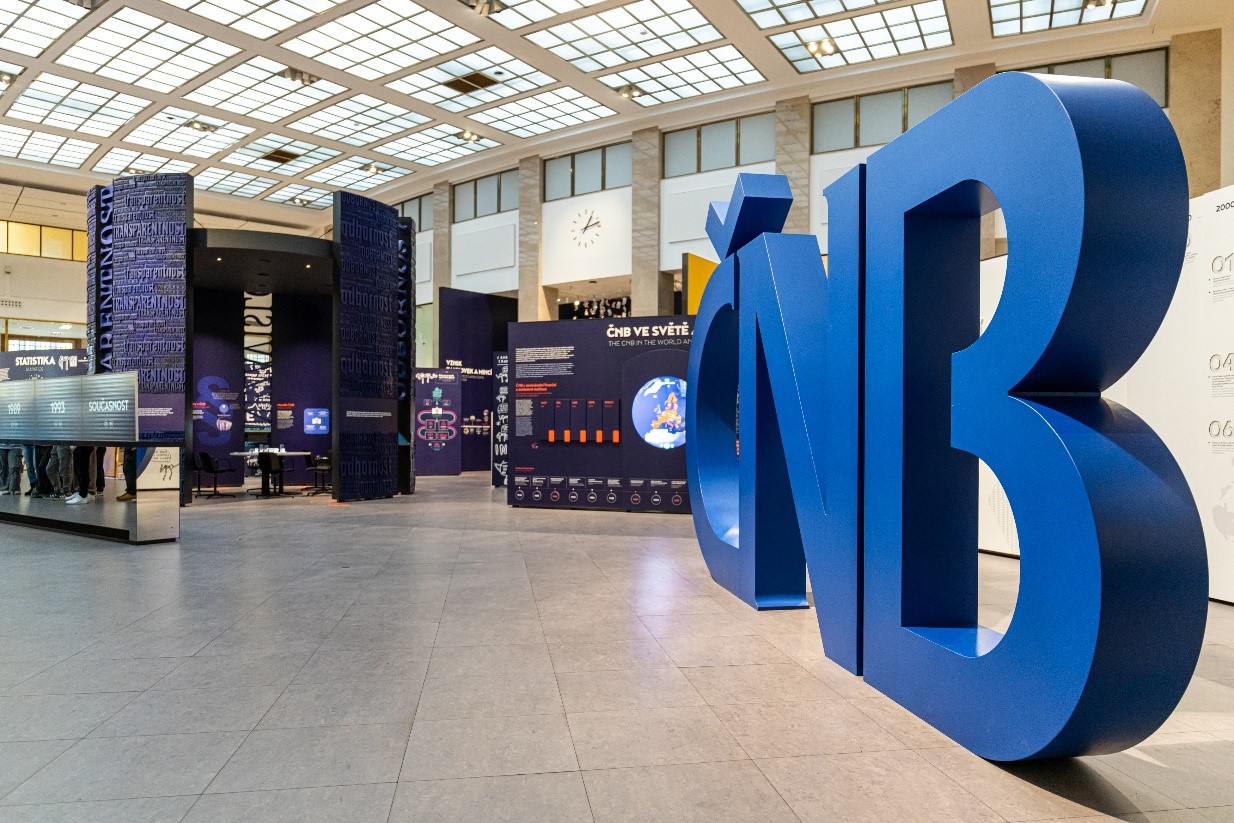
Visit the interactive exhibition Behind the Currency, which presents the current roles of the central bank, as well as the exhibition People and Money, located in a historic strongroom and dedicated to the history of money and central banking. You can also explore the newest part of the People and Money exhibition: Alois Rašín’s Study, all set in a unique evening atmosphere.
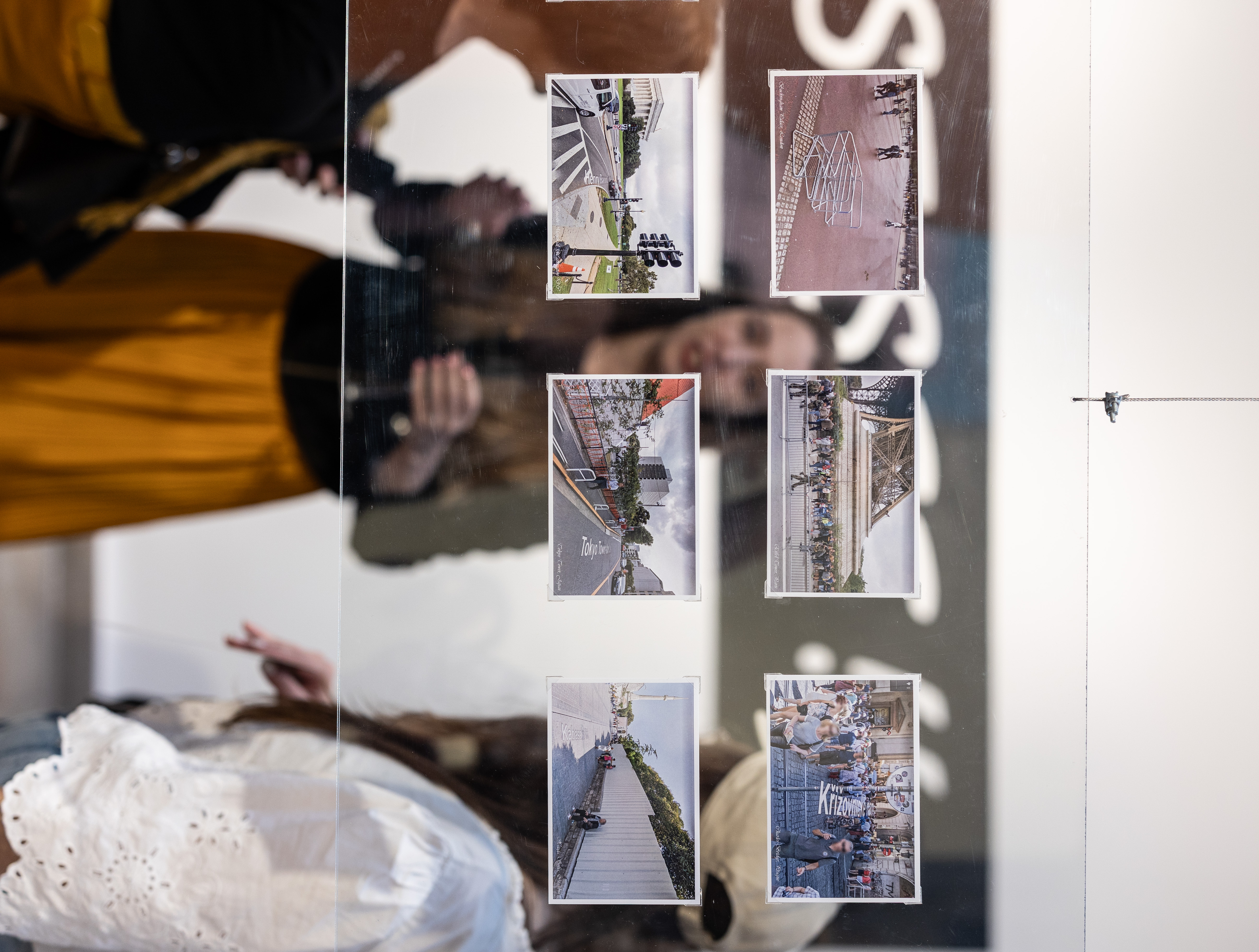
Tourism is a modern phenomenon whose origins date back to the late 18th century. How much has it changed from its beginnings to the present day? How does it affect people’s daily lives? How are destinations around the world changing as a result of tourism? What are its positives and negatives? And what does the future hold for the travel of 7 billion people across our planet?
The Second Fire is an immersive look at Lake Baikal in Siberia, the oldest, deepest and most voluminous lake in the world. Authors Gabriela Bulisová and Mark Isaac spent a year in eastern Siberia and created a multifaceted project that places special emphasis on the lake’s environmental problems. They capture the vastness and majesty of the lake, intimate moments of its resilient inhabitants and quirky sites, and the urgent dangers that threaten them.
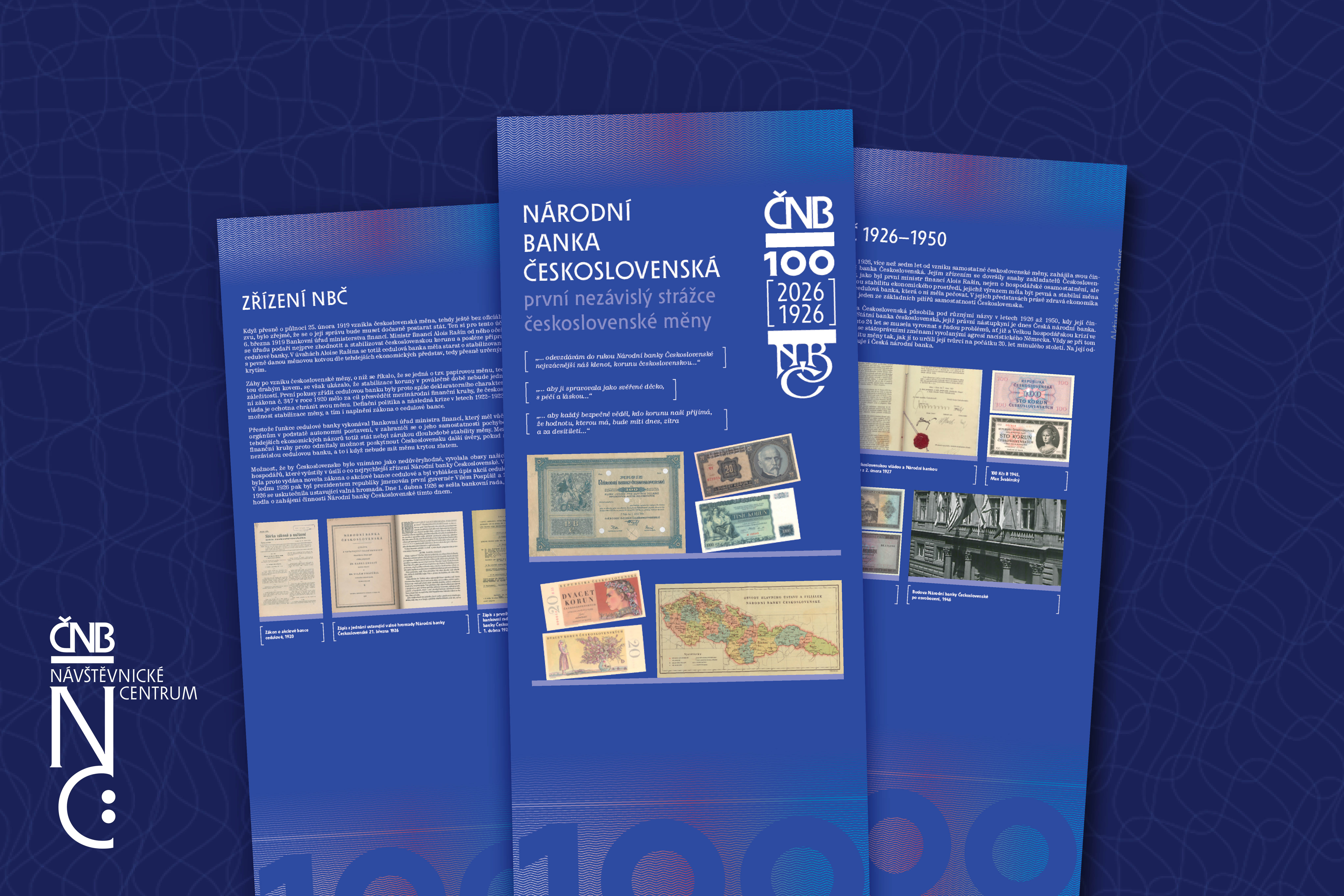
To mark Prague Museum Night and International Archives Day, the CNB Visitor Center—specifically its CNB Archives division—will offer visitors the opportunity to learn about the history of the first Czechoslovak central bank.